
WALK THE TALK.
Responsible leadership starts from within.
What does it really mean to lead responsibly?
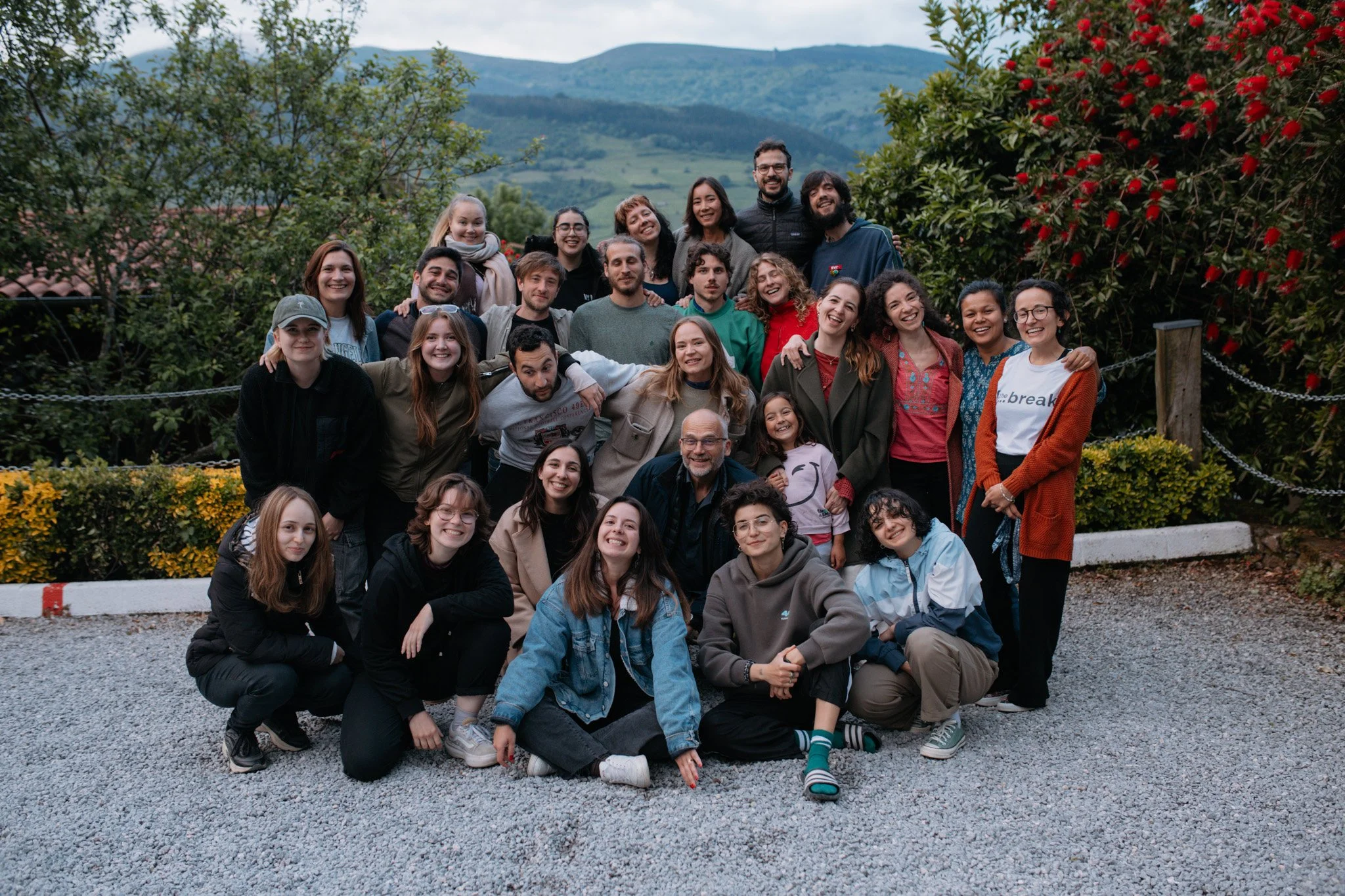
Walk the Talk brought together youth workers and changemakers from across Europe for an eight-day Erasmus+ learning journey in rural Cantabria — exploring leadership not simply as a position or a set of skills, but as the capacity to understand ourselves, relate meaningfully to others, collaborate, and turn intention into action.
For eight days, we explored what happens when we stop only talking about the values we want to embody as leaders — and start practising them.
Erasmus+ KA153 · Training Course for Youth Workers · Cantabria, Spain · May 2025
Why Walk the Talk?
Leadership is not only about knowing what to do.
We often talk about the changes our organisations, communities and societies need. But what capacities do we need within ourselves to actually create them?
Walk the Talk was born from this question.
We wanted to create a space where youth workers could explore responsible leadership beyond theories and titles: understanding our own values and patterns, questioning how we communicate and make decisions, practising empathy and collaboration, and ultimately exploring what it takes to transform intention into action.
The project was built around the idea that sustainable leadership starts within ourselves, before moving outwards into our relationships, communities and organisations.
“Walk the Talk was not just a training. It was a deep human journey. It gave me the space to slow down, reconnect with myself and others, and explore a new way of leading, rooted in presence, empathy and authenticity.”
— Walk the Talk participant
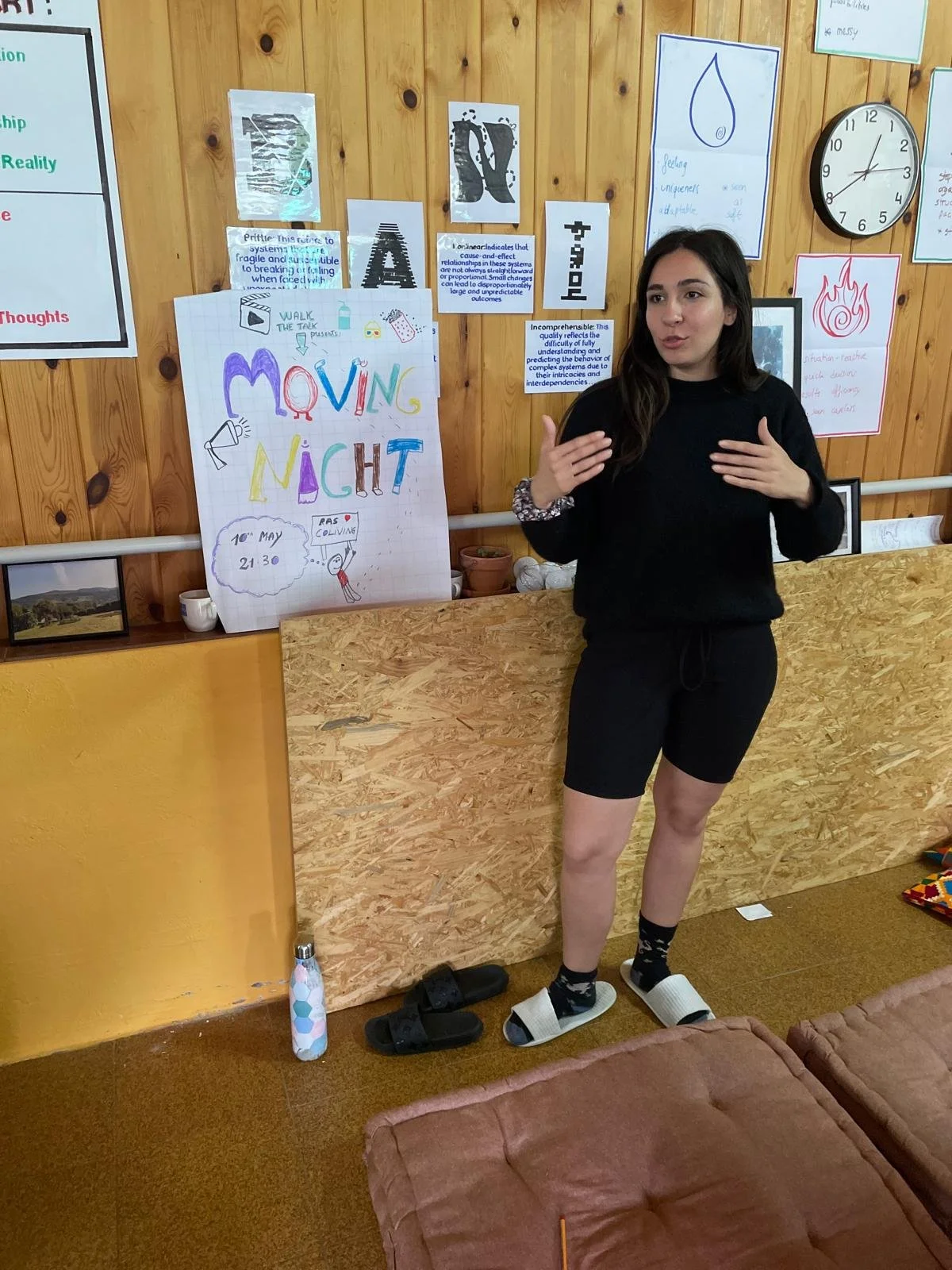
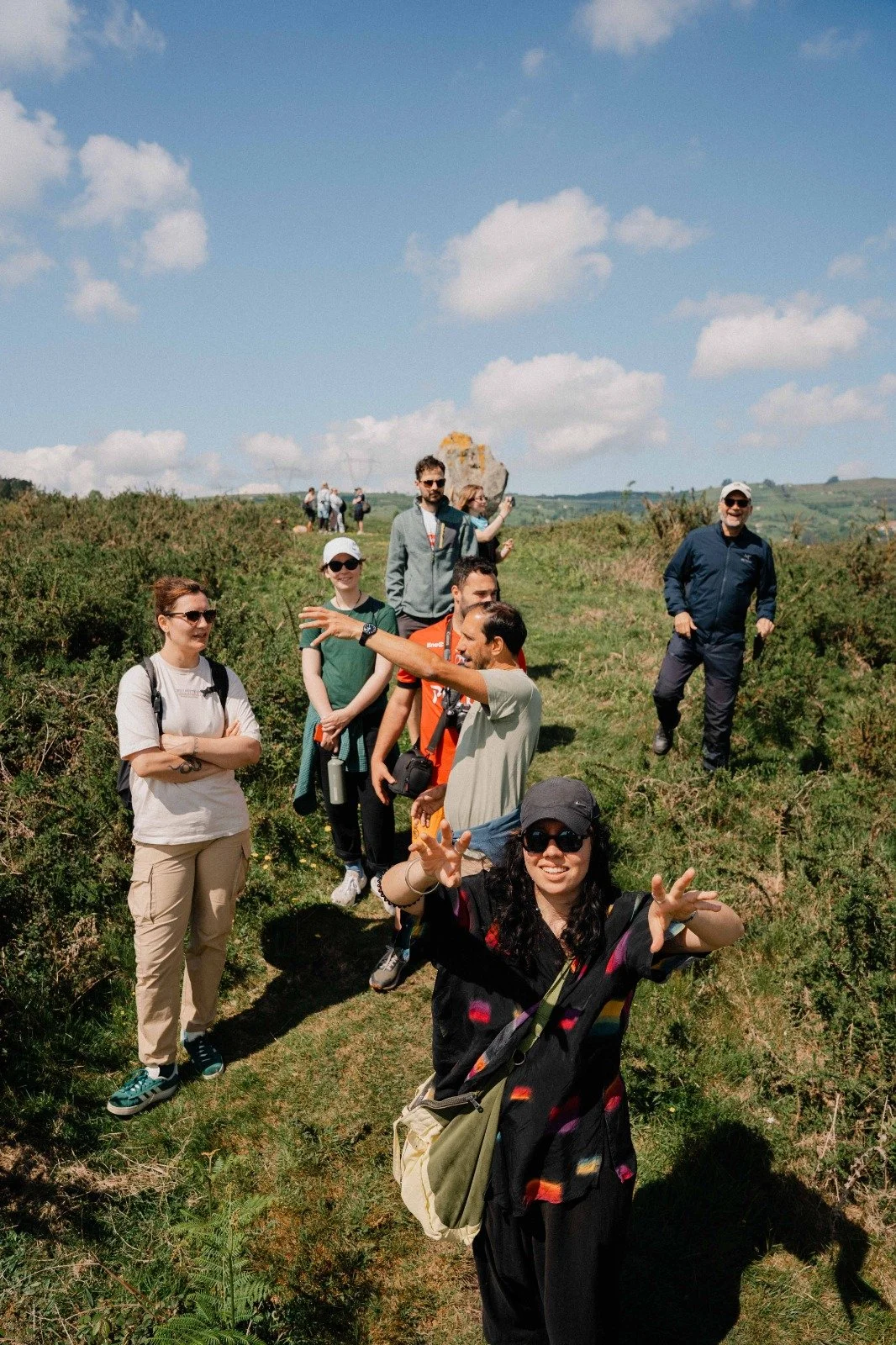
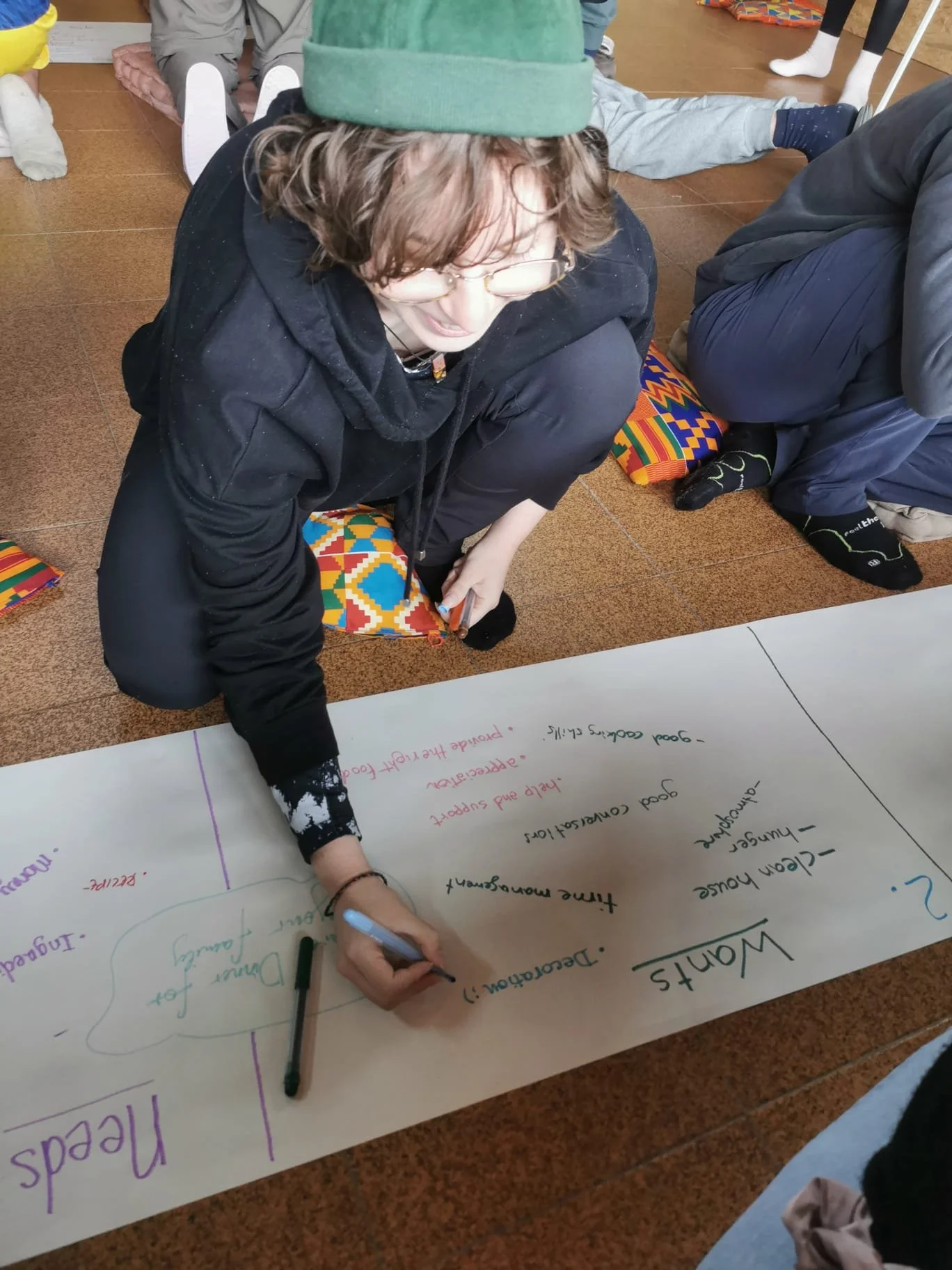
The red thread
From Being to Acting
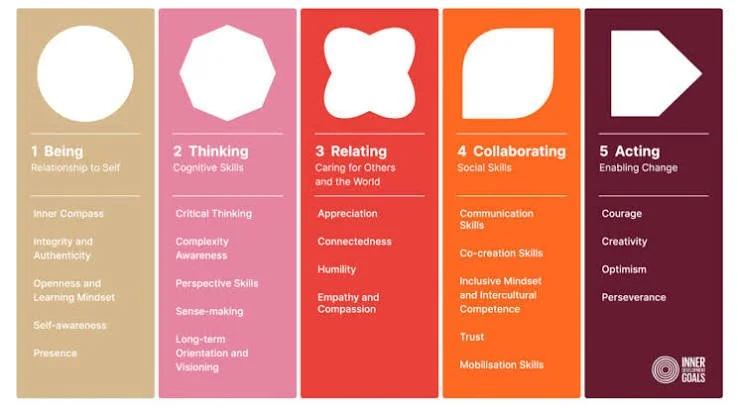
The Inner Development Goals (IDGs) became the red thread of our learning journey. Their five dimensions guided the evolution of the programme from inner awareness towards collective action.
BEING — Relationship to Self
How do I show up as a leader?
Exploring self-awareness, values, authenticity, presence and purpose.
THINKING — Cognitive Skills
How do I understand what is happening around me?
Questioning perspectives, assumptions and the way we interpret complexity.
RELATING — Caring for Others and the World
How do I listen and connect?
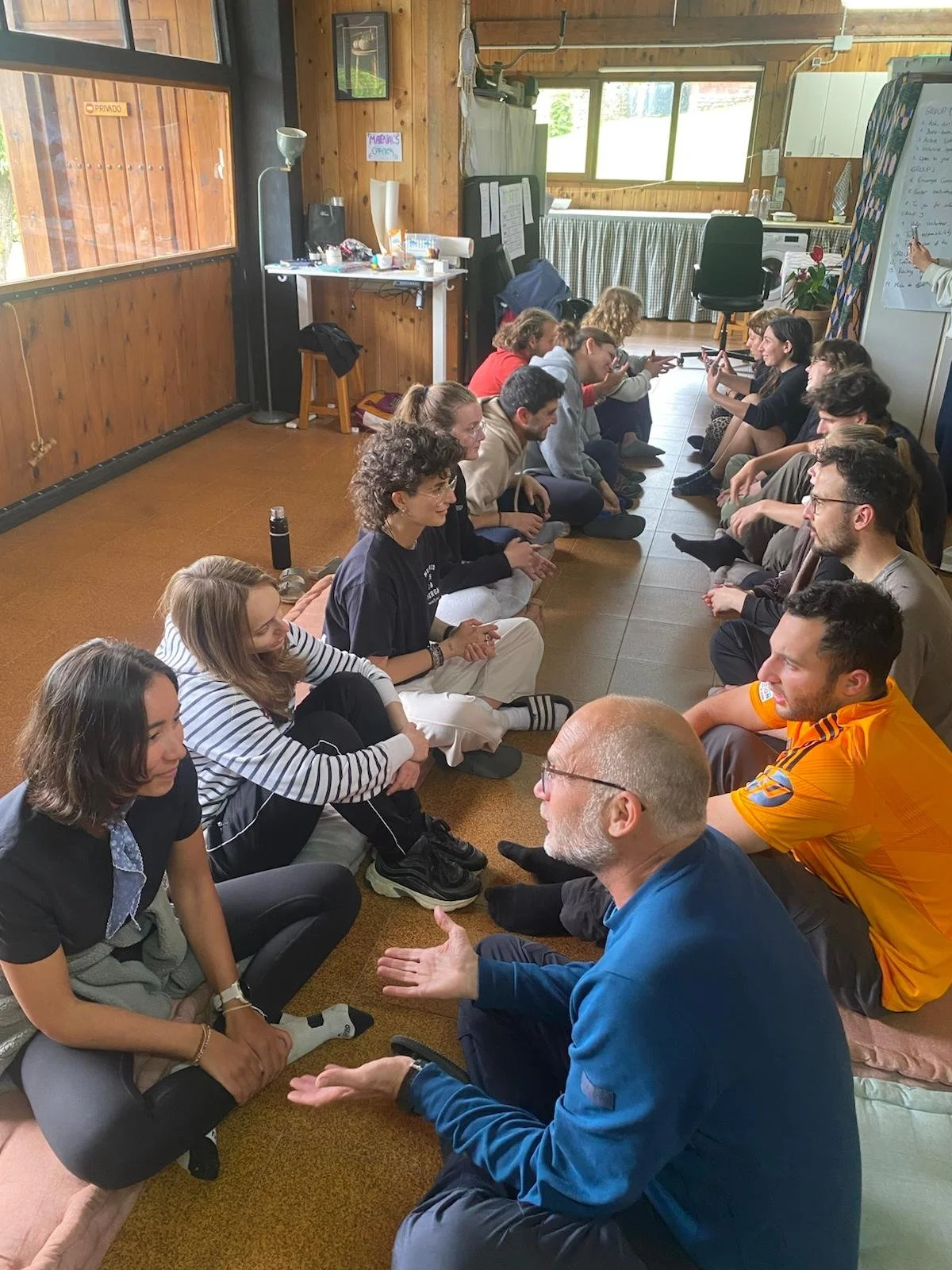
Practising empathy, active listening, communication and understanding needs.
COLLABORATING — Social Skills
How do we create together?
Exploring trust, feedback, psychological safety and shared responsibility.
ACTING — Driving Change
What do we do with what we have learned?
Taking initiative, experimenting and transforming learning into action.
Learning leadership by living it
Walk the Talk was built around non-formal and experiential education.
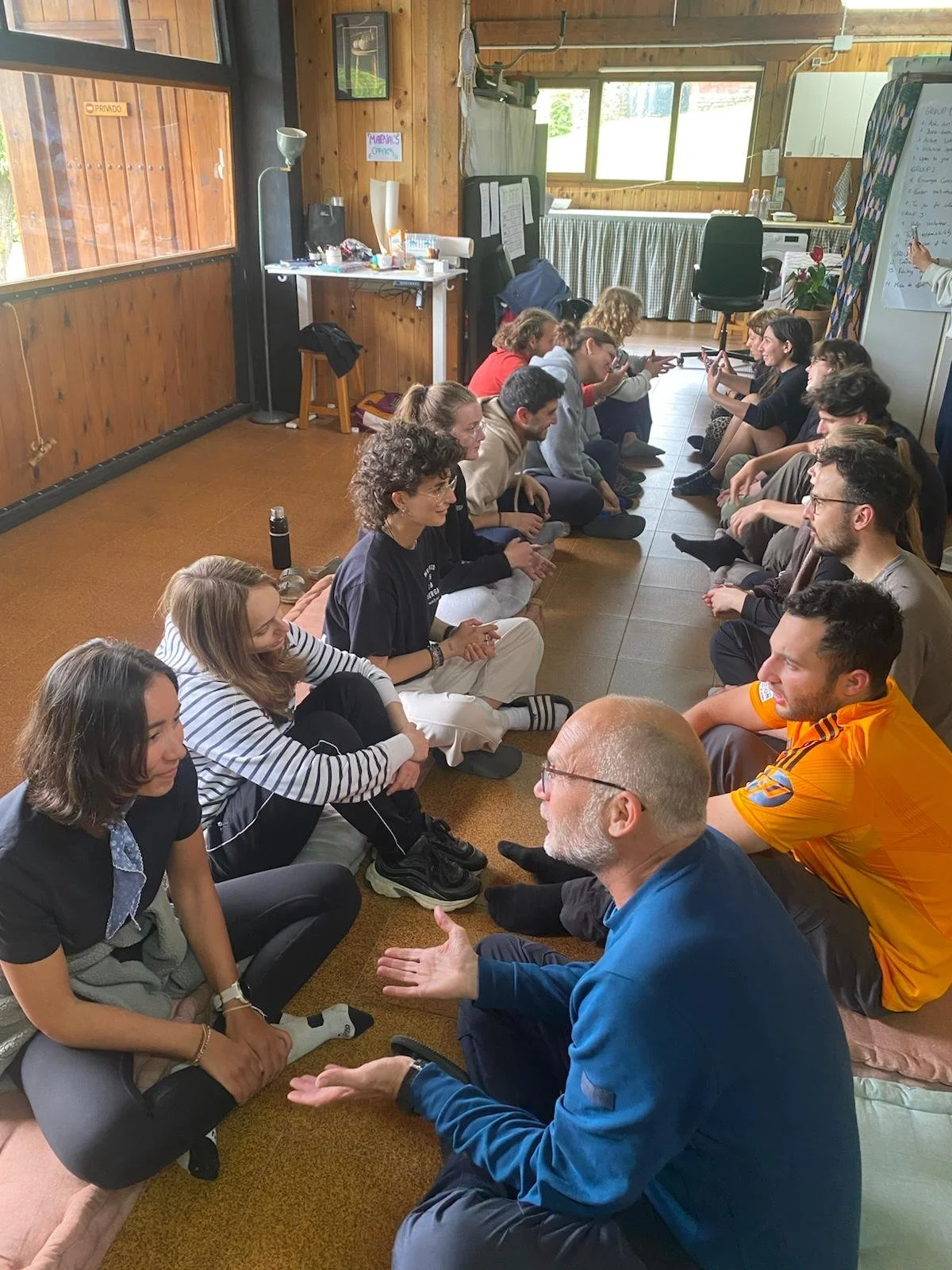
Rather than teaching leadership as a collection of concepts, we created situations in which participants could observe themselves, experiment, receive feedback, make decisions and gradually take ownership of the learning process itself.
Morning guided meditations
Each morning began with a guided meditation connected to the IDG dimension we were exploring — creating a moment to arrive, slow down and enter the learning process with presence and intention.
The Way of Council
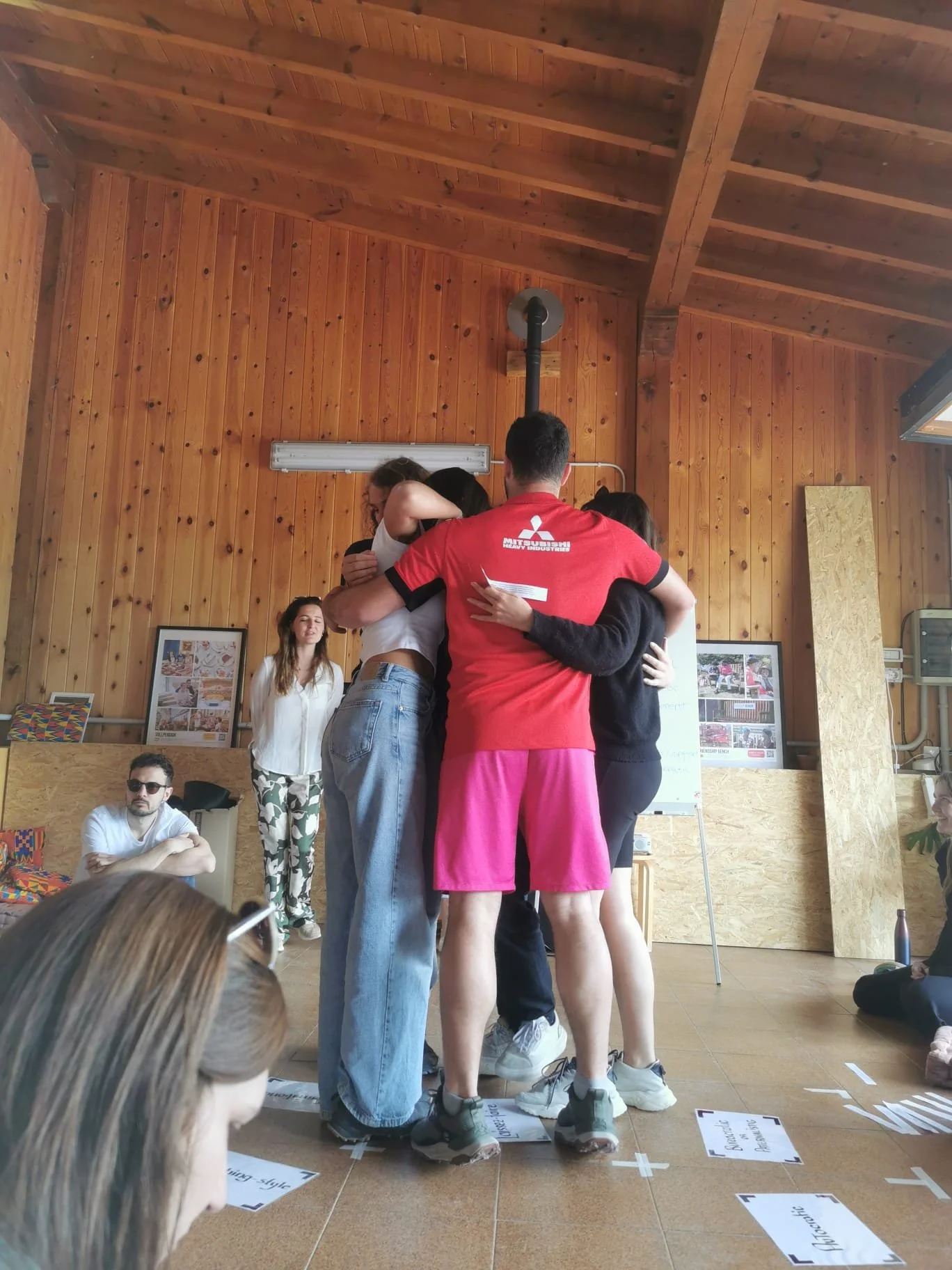
In one of the most vulnerable moments of the training, participants shared learning that had emerged from pain and personal experience. The Council became a practice of deep listening, honesty and trust.
“I rediscovered the power of vulnerability, of community, of leadership in all the best ways.”
— Walk the Talk participant
Learning through the community
Through fieldwork and conversations with local people and stakeholders, participants moved beyond hypothetical cases and practised something fundamental to responsible leadership: understanding a context before trying to change it.
Learning Community / Open Space
The facilitators stepped back and participants took ownership: deciding what they wanted to explore and creating and facilitating sessions for one another.
“I didn't think we could do that — it worked perfectly.”
— Walk the Talk participant
Reflection as a practice
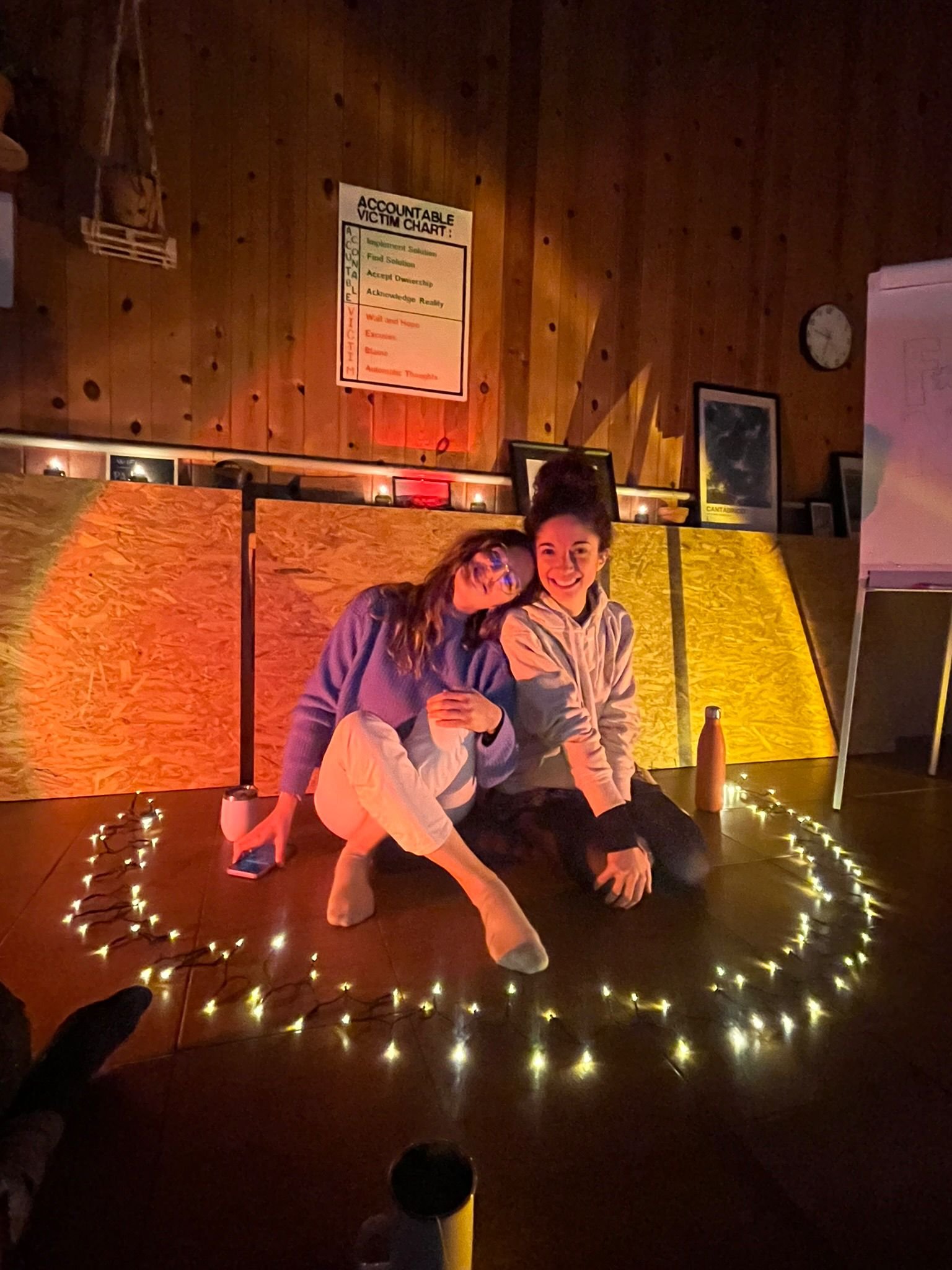
Journals, accountability buddies, feedback and reflective moments accompanied the whole process, helping participants move from “What did we do?” towards “What am I learning, and what might I do differently?”
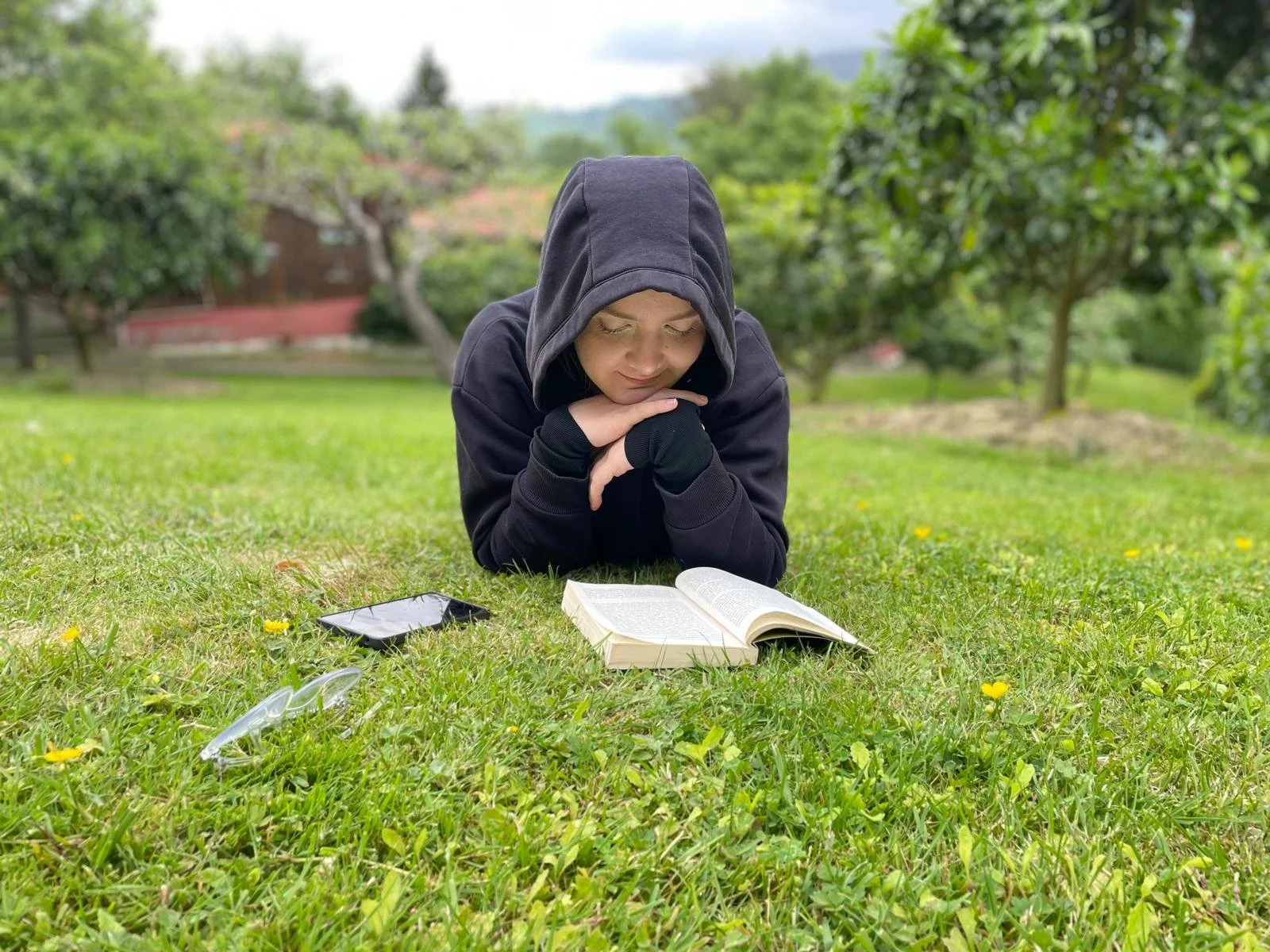
The place was part of the methodology
Learning in a place that reflects the values
Walk the Talk took place at PAS Co-living, surrounded by the rural landscape of Cantabria.
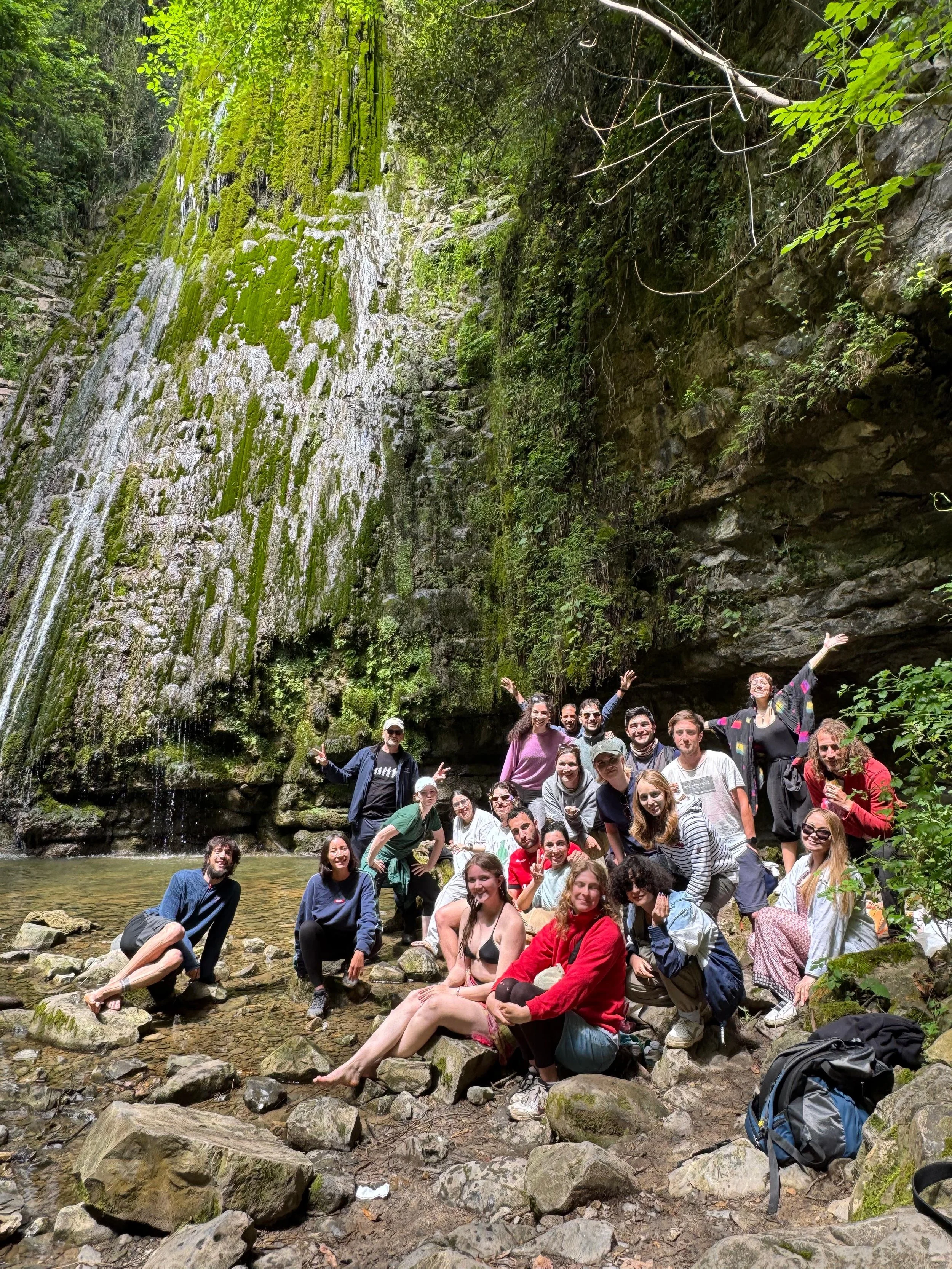
The choice was intentional. We wanted the environment itself to support the kind of learning we were trying to create: community, connection, sustainability, reflection and proximity to nature.
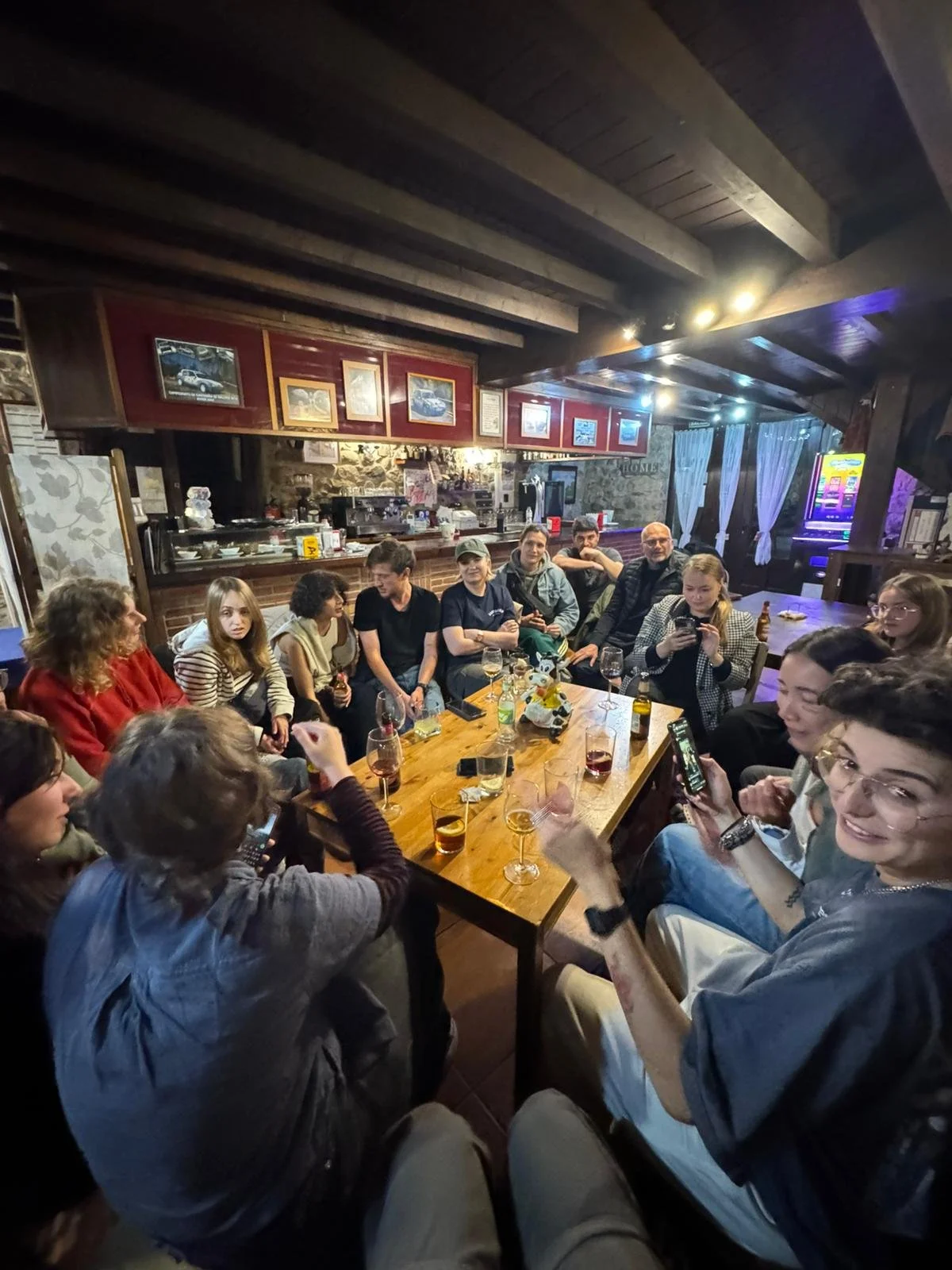
We learned together, ate together, walked, talked and reflected together. Nature became part of the learning environment, while shared spaces created room for informal conversations and relationships that no programme schedule can manufacture.
Participants recognised its importance: 100% agreed or strongly agreed that the venue supported the goals of the training, while 93% felt that the nature-based and reflective elements enhanced their learning.
A European Learning Community
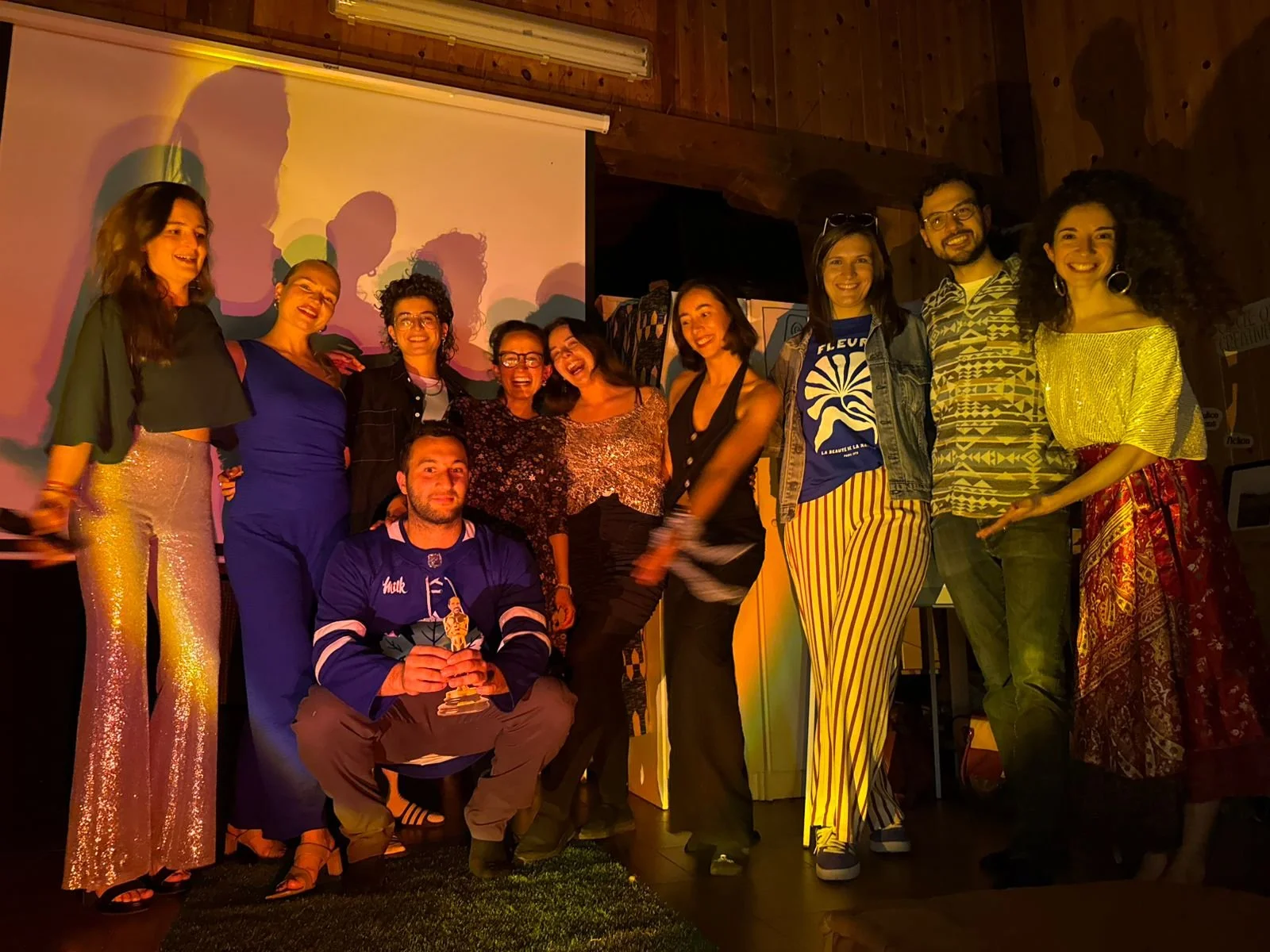
Walk the Talk brought together people with different cultural, professional and personal experiences, connected through a common interest in learning, leadership and community.
Spain · Georgia · Finland · Netherlands · Germany · Türkiye · Portugal · Greece · Italy · France · Serbia
Together with our partner organisations, this diversity became part of the learning itself: different understandings of leadership, communication and responsibility could meet, be questioned and learn from one another.
Did it work?
What participants told us
We didn't want to evaluate Walk the Talk only by asking whether participants enjoyed the experience. We wanted to understand whether something had actually shifted.
100%
developed practical leadership skills
100%
gained tools and insights they intend to apply in their work
93%
deepened their understanding of value-driven leadership
100%
experienced personal growth
What happened when everyone went home?
The ripple effect
For us, the success of an Erasmus+ Training Course cannot be measured only by what happens during the mobility.
The more interesting question comes afterwards:
What travels home with the participants?
Participants adapted what they had experienced and created follow-up activities within their own communities and professional contexts.
The original project estimated that around 120 people would participate in these local actions.
The documented impact went further:
10 countries with dedicated follow-up activities
200+ people reached through in-person follow-ups
16 tracked participant social-media posts
13,400+ documented online views & impressions
But behind those numbers are people actually using the learning.
🇬🇪 Georgia — Psychological Safety
A participant adapted the learning into an experiential workshop on psychological safety for 20 international youth workers.
🇬🇷 Greece — Leadership at work
Two participants brought Walk the Talk into an international workplace, where 16 employees and managers explored leadership styles through real cases and experiential exercises.
🇵🇹 Portugal — Learning travelling further
Walk the Talk methodology was incorporated into another Erasmus+ Youth Exchange, allowing the learning to reach a new international group beyond the original project.
For us, this is one of the most meaningful forms of dissemination:
Not simply talking about what we learned, but using it.
Resources
Keep walking the talk.
We wanted the learning generated through Walk the Talk to continue travelling beyond the original mobility. The project therefore leaves behind resources, reflections and experiences that can be used in other learning spaces.
Evaluation Booklet
What did participants experience and learn?
[READ / DOWNLOAD]
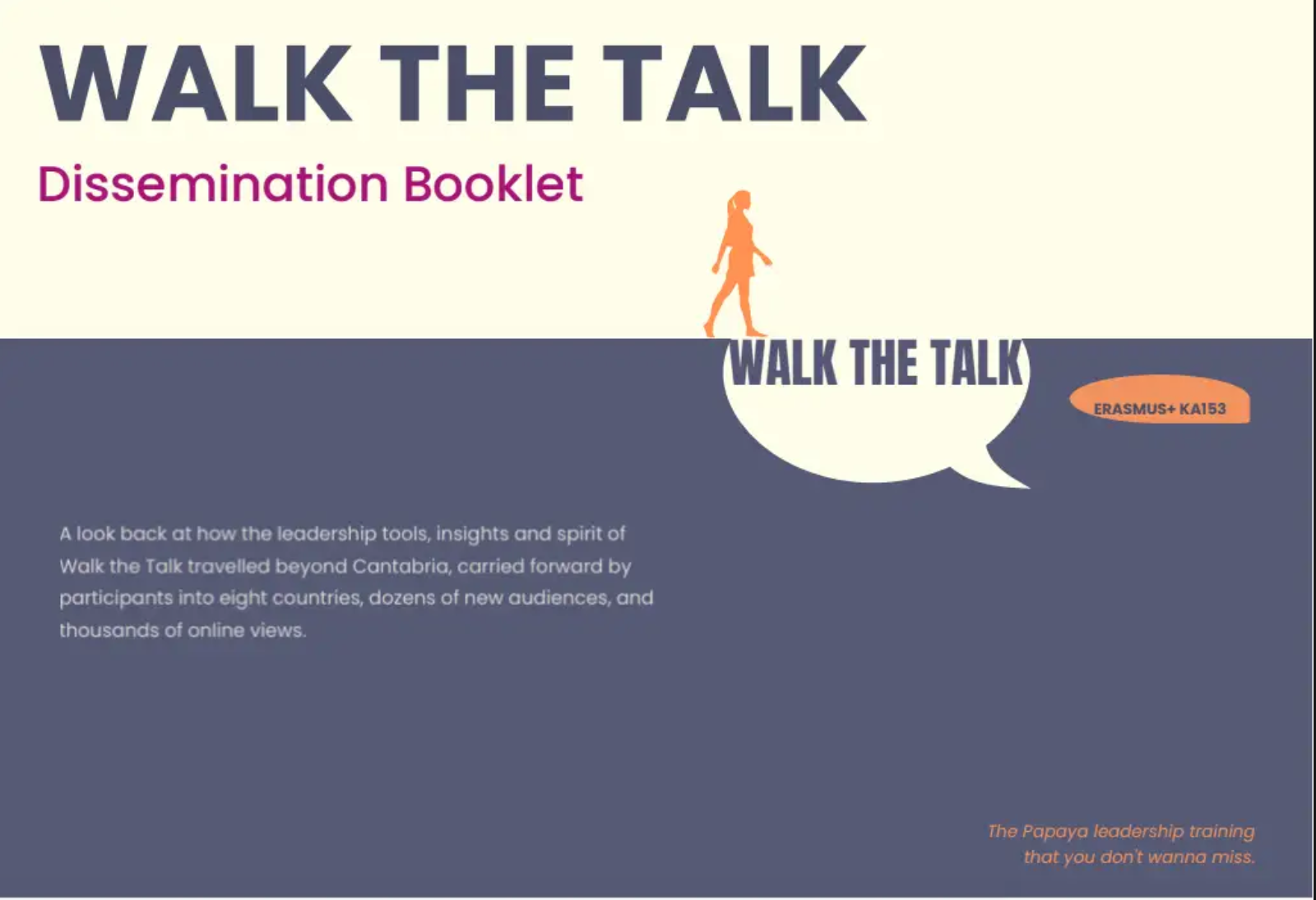
Dissemination Booklet
Where did the learning travel next?
[READ / DOWNLOAD]
Responsible Leadership Cards
30 prompts and tools for responsible leadership.
[EXPLORE]
Why Papaya creates projects like this
At Papaya, we believe learning becomes meaningful when it changes the way we understand ourselves, relate to others and participate in the world around us. This is why we create spaces where personal development meets collective responsibility — where people can slow down, question, experiment, connect and eventually act.
Walk the Talk reminded us that responsible leadership does not begin with having all the answers. It begins with becoming aware of how we show up, listening deeply to what is around us, and having the courage to turn what we believe into what we do.
That is what walking the talk means to us.
Walk the Talk was an Erasmus+ KA153 Mobility of Youth Workers project, co-funded by the European Union.