
BREAK. TAKE. MAKE.
Turning problems into possibilities
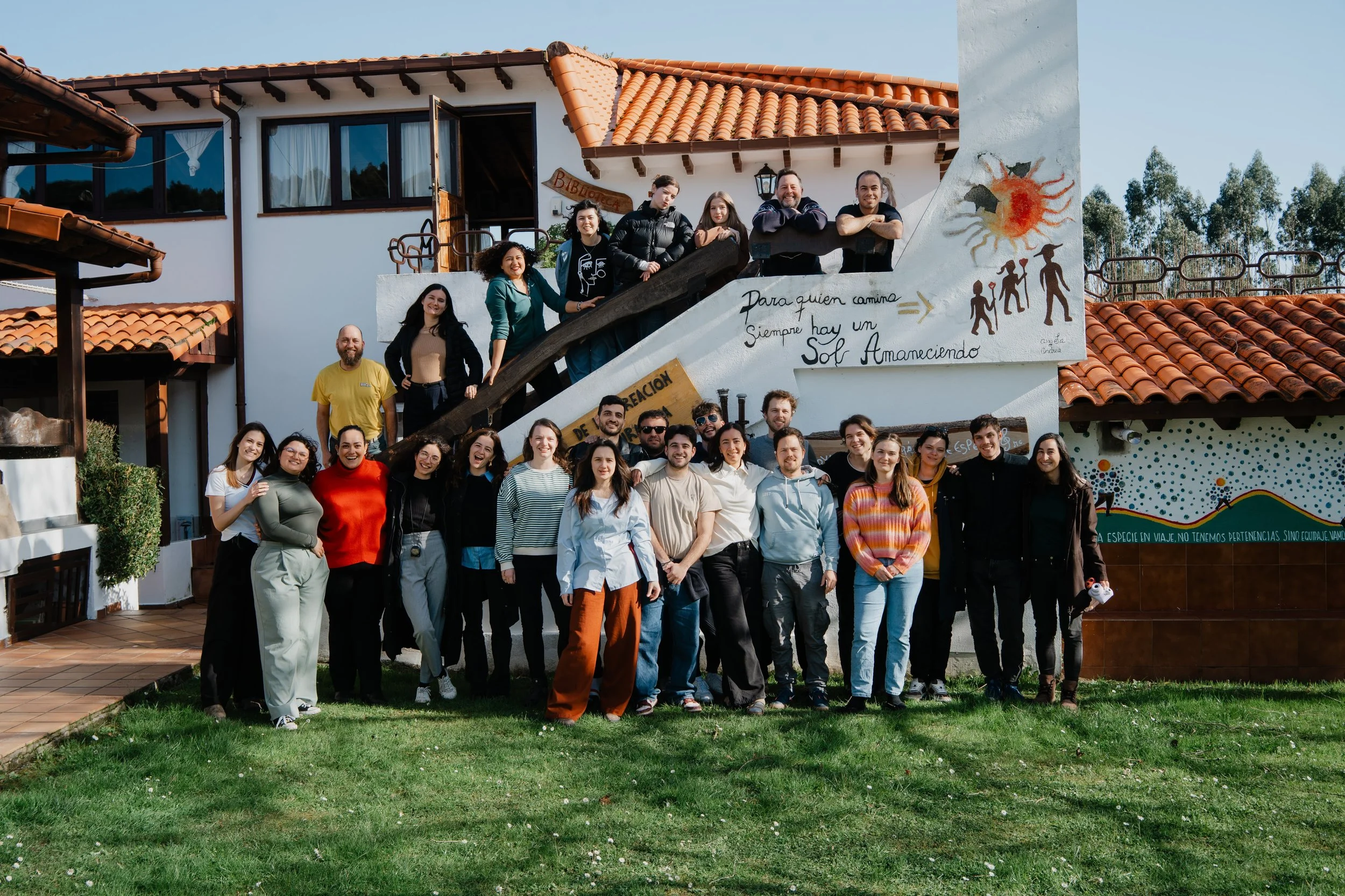
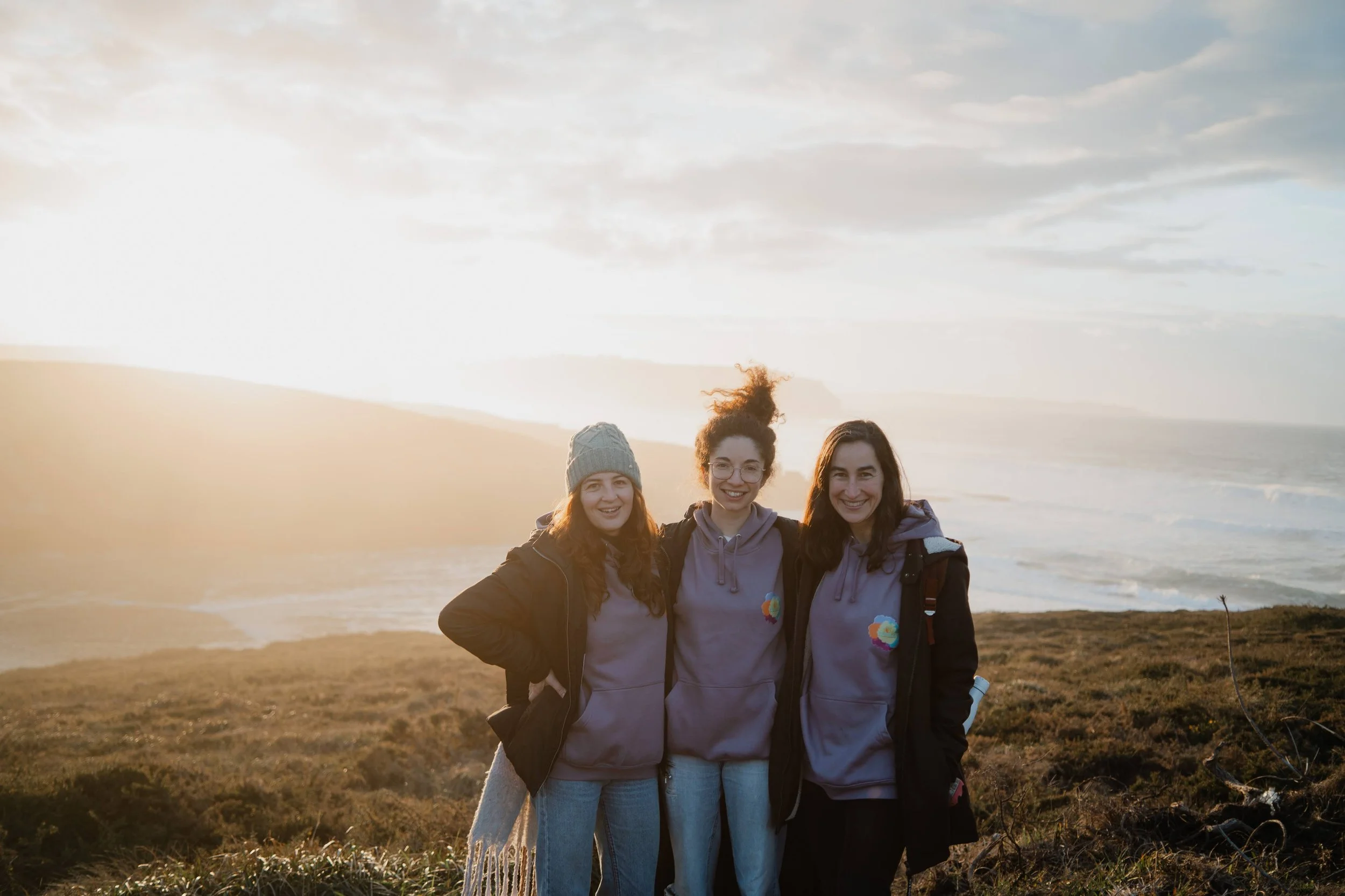
BREAK.TAKE.MAKE. was an Erasmus+ Training Course that brought together 24 youth workers, educators and changemakers from 9 European countries in Güemes, Cantabria, from 23–30 January 2026.
At its heart was one question:
How can we help young people move from seeing problems around them to believing they can do something about them?

For one week, participants explored Design Thinking, entrepreneurial mindset and non-formal education - not simply as theoretical frameworks, but as practical ways of understanding people, questioning assumptions, generating ideas, testing solutions and creating positive change.

The project was created in response to a need Papaya had repeatedly observed in educational and rural contexts: many young people are facing an increasingly uncertain social and professional reality, while educators and youth workers often lack practical tools to connect learning with those real-life challenges.
Why
BREAK.
TAKE.
MAKE.?
For us, entrepreneurship is not only about creating a business.
It is also about developing the ability to notice opportunities, understand needs, take initiative, experiment, adapt and turn ideas into action.
BREAK.TAKE.MAKE. therefore focused on five interconnected goals:
Encouraging an entrepreneurial mindset: supporting educators to inspire young people to become agents of change.
Cultivating empathy: learning to understand the emotions, experiences and needs of the people we work with.
Promoting educational innovation: creating learning experiences that connect education with real-life challenges.
Developing employability skills: strengthening creativity, communication, initiative, collaboration and problem-solving.
Fostering inclusion and social cohesion: using diversity and cooperation as resources for tackling shared challenges.
The learning journey
Feel. Understand. Apply.
The backbone of BREAK.TAKE.MAKE. was Design Thinking.
Participants moved through its different phases: Empathy, Definition, Ideation, Prototyping and Testing, experiencing each phase personally, understanding the logic behind it, and then applying it to practical challenges.
This created a simple rhythm throughout the programme:
FEEL → UNDERSTAND → APPLY
EMPATHY:
Who are we designing for?
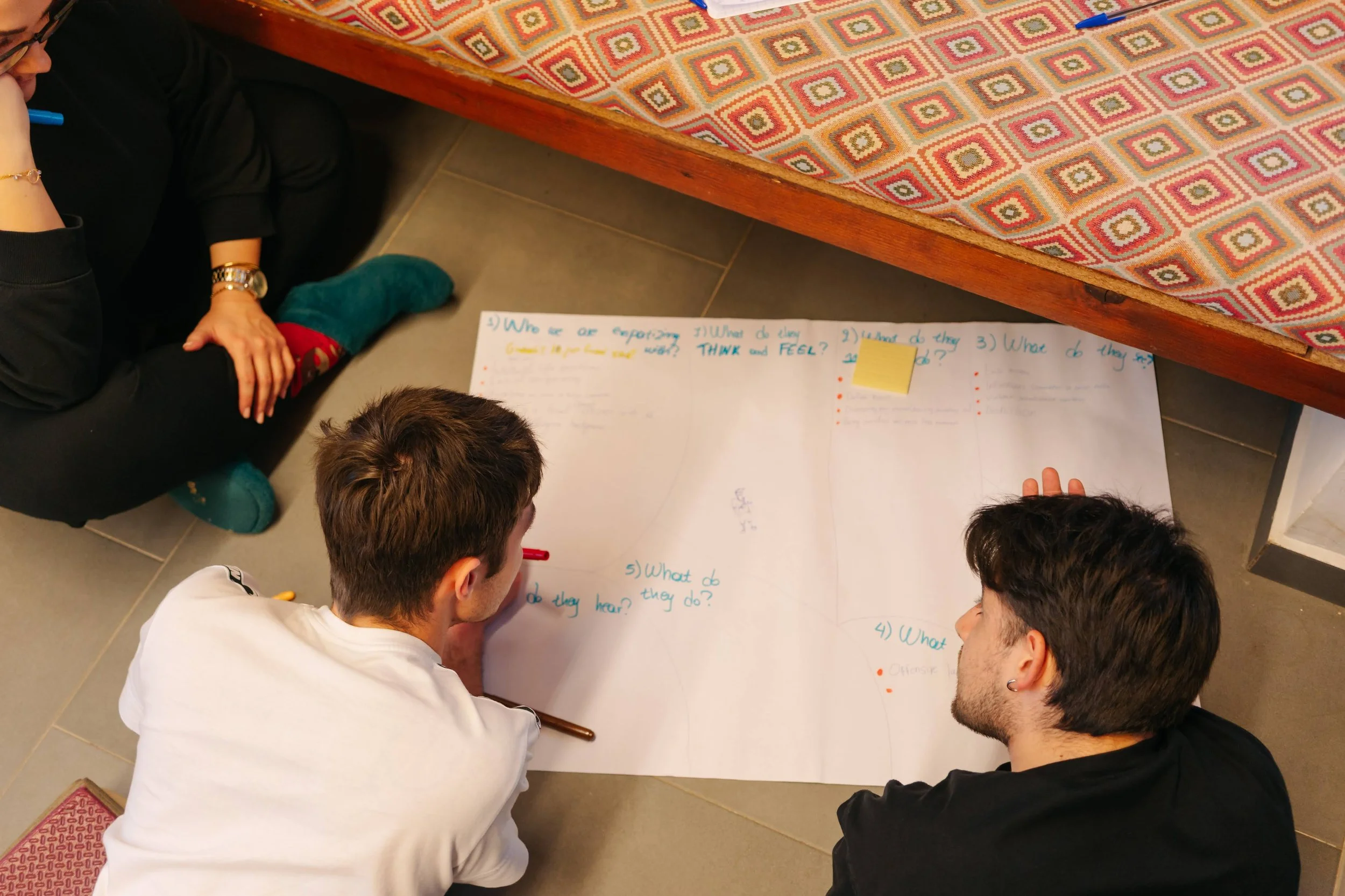
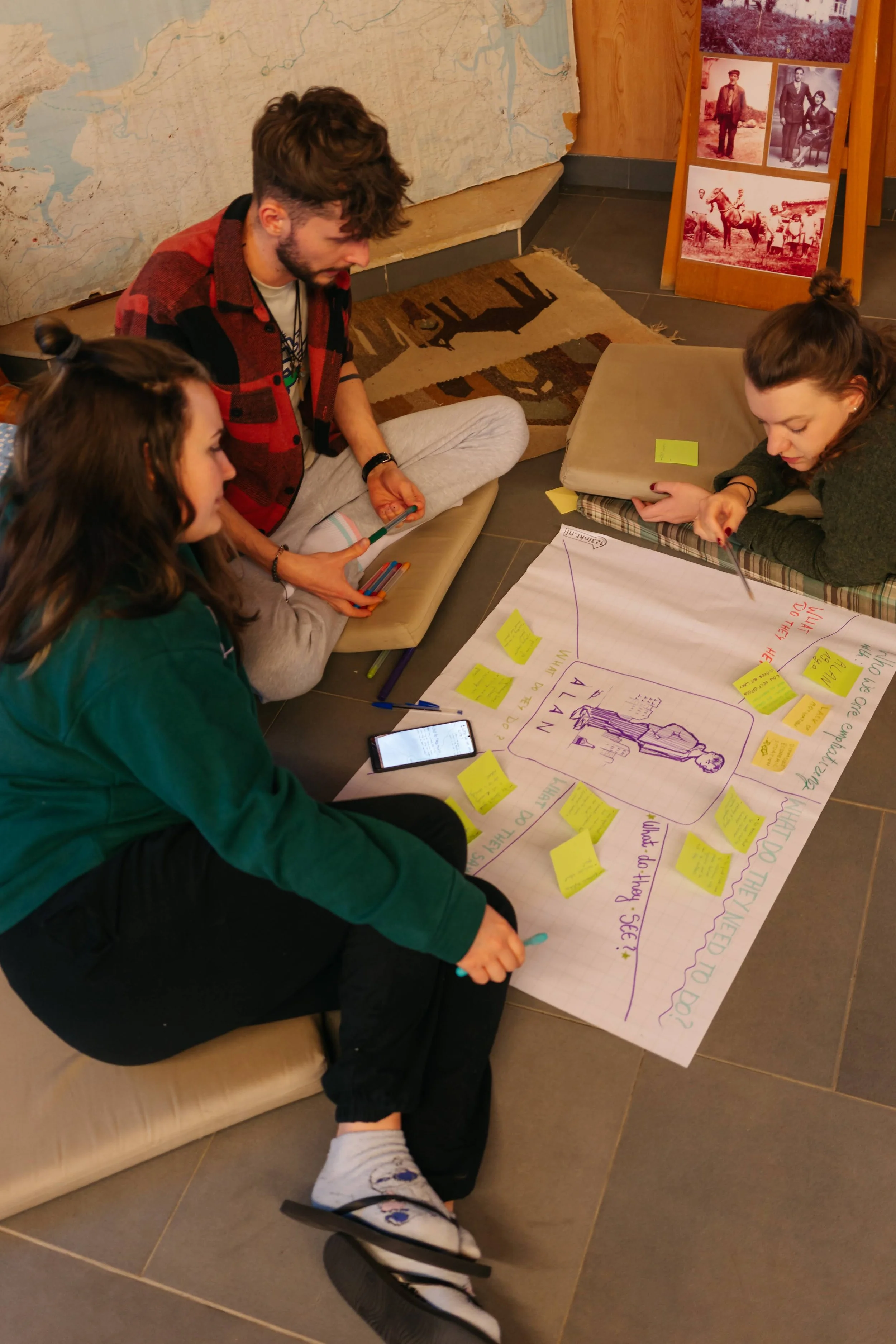
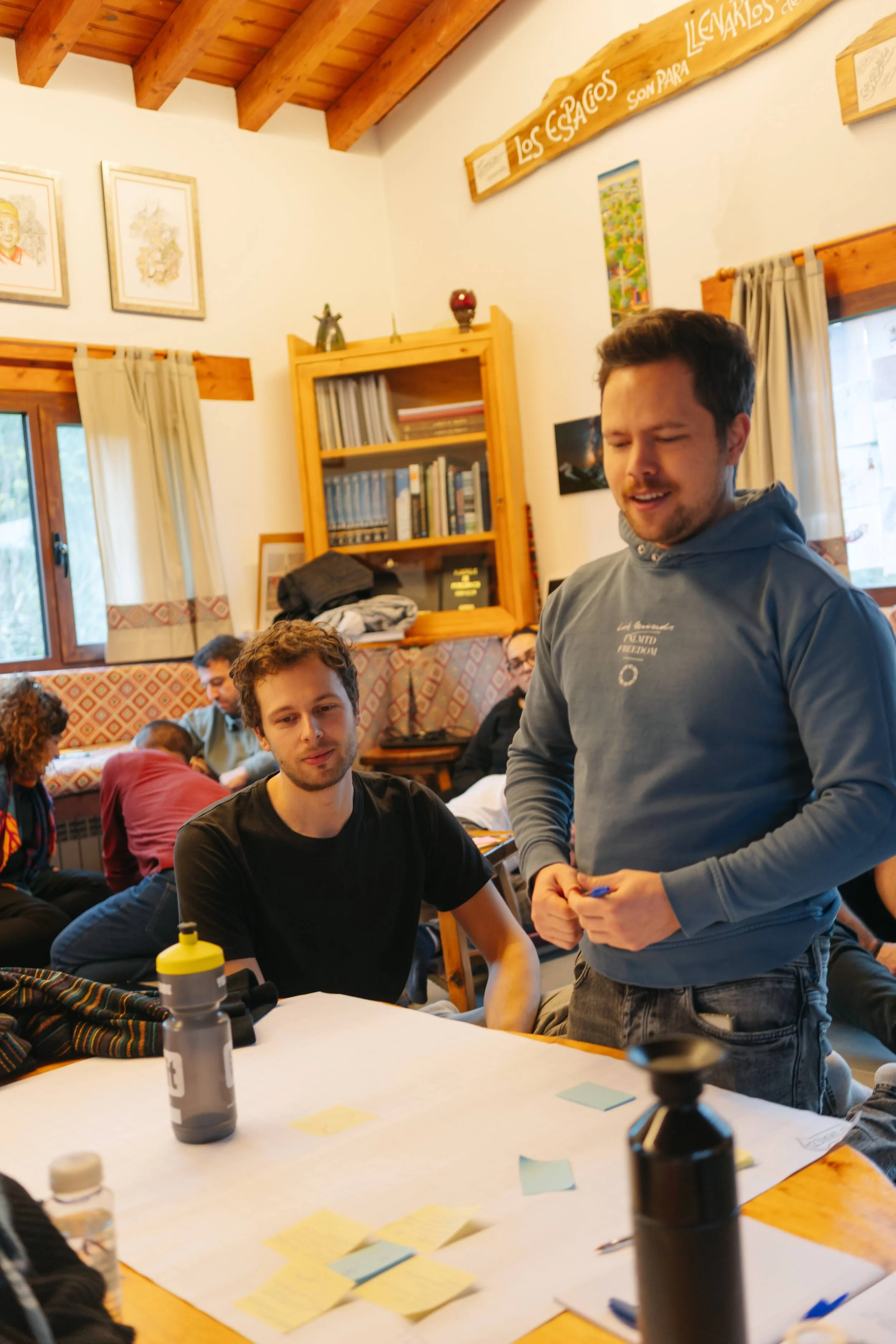
Through perspective-taking activities and the Empathy Map, participants practised stepping outside their own assumptions and exploring a challenge through somebody else's eyes.
This became one of the most frequently mentioned meaningful parts of the training.

“The days about empathy. It was really good and insightful to step into the shoes of the person you want to solve the problem for. Sometimes you look at it from your own perspective and don't take into account what they see, think and do.”
DEFINE:
What problem are we actually solving?
Participants slowed the process down and practised identifying needs, patterns and root challenges before jumping towards solutions.
It sounds simple, but it represented an important shift: from trying to solve what we think the problem is, to first understanding the people experiencing it.
As one participant reflected:
“I plan to follow processes step by step and not skip to solutions — but rather better understand the problems and their origins. Creative brainstorming sessions… listen more, and understand what people actually need, not what I believe they need.”
IDEATE:
What becomes possible when we stop looking for the “right” answer?
Once the challenge had been explored and reframed, it was time to open possibilities.
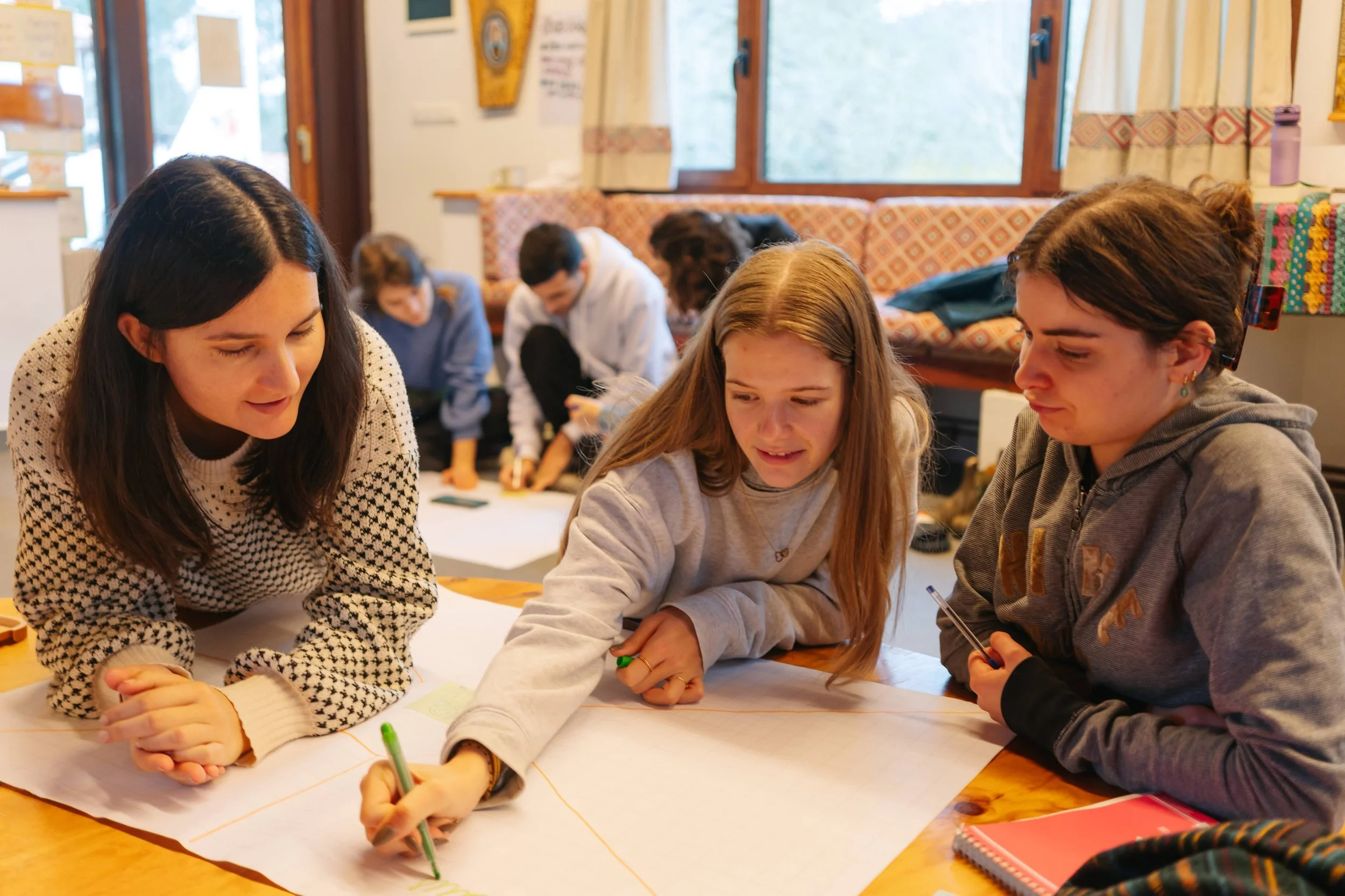
Through creative-thinking tools and rapid idea generation, participants practised divergent thinking: creating possibilities before evaluating them.
Creativity became something to exercise, rather than something you either have or don't have.


DEFINE:
PROTOTYPE: Make the idea visible
Ideas then had to leave people's heads.
Participants created quick, imperfect versions of possible solutions so that they could be discussed, experienced, tested and improved.
The objective was not perfection.
it was undertanding that you have to do thinngs to see if they work or not, to learn how you can grow from mistakes .
TEST: Ask reality
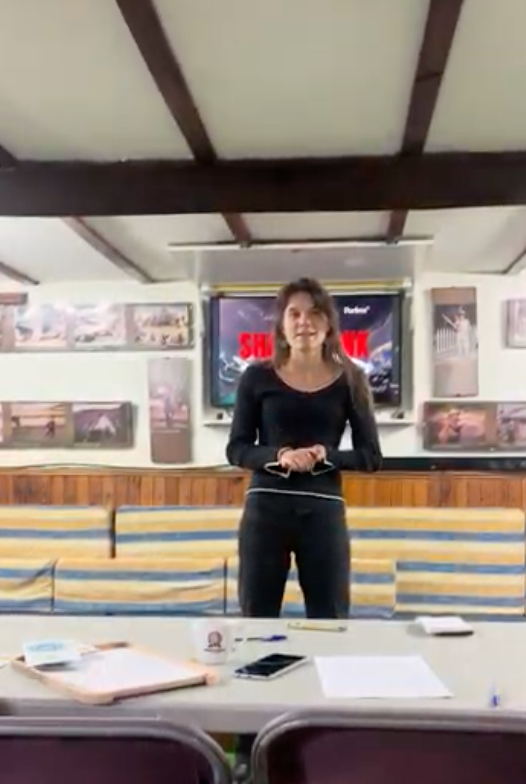
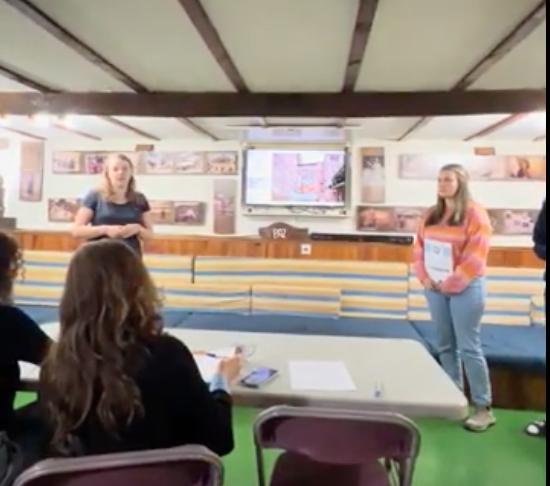
Finally, participants brought assumptions into contact with feedback through a “Shark Tank” Model. After the activity, at home they where able to Test in real life
The question shifted from:
“Is my idea good?” to:
“What can I learn from what happens when somebody actually experiences it?”
That iterative mindset: create → test → learn →adapt, became one of the most transferable lessons of the training.

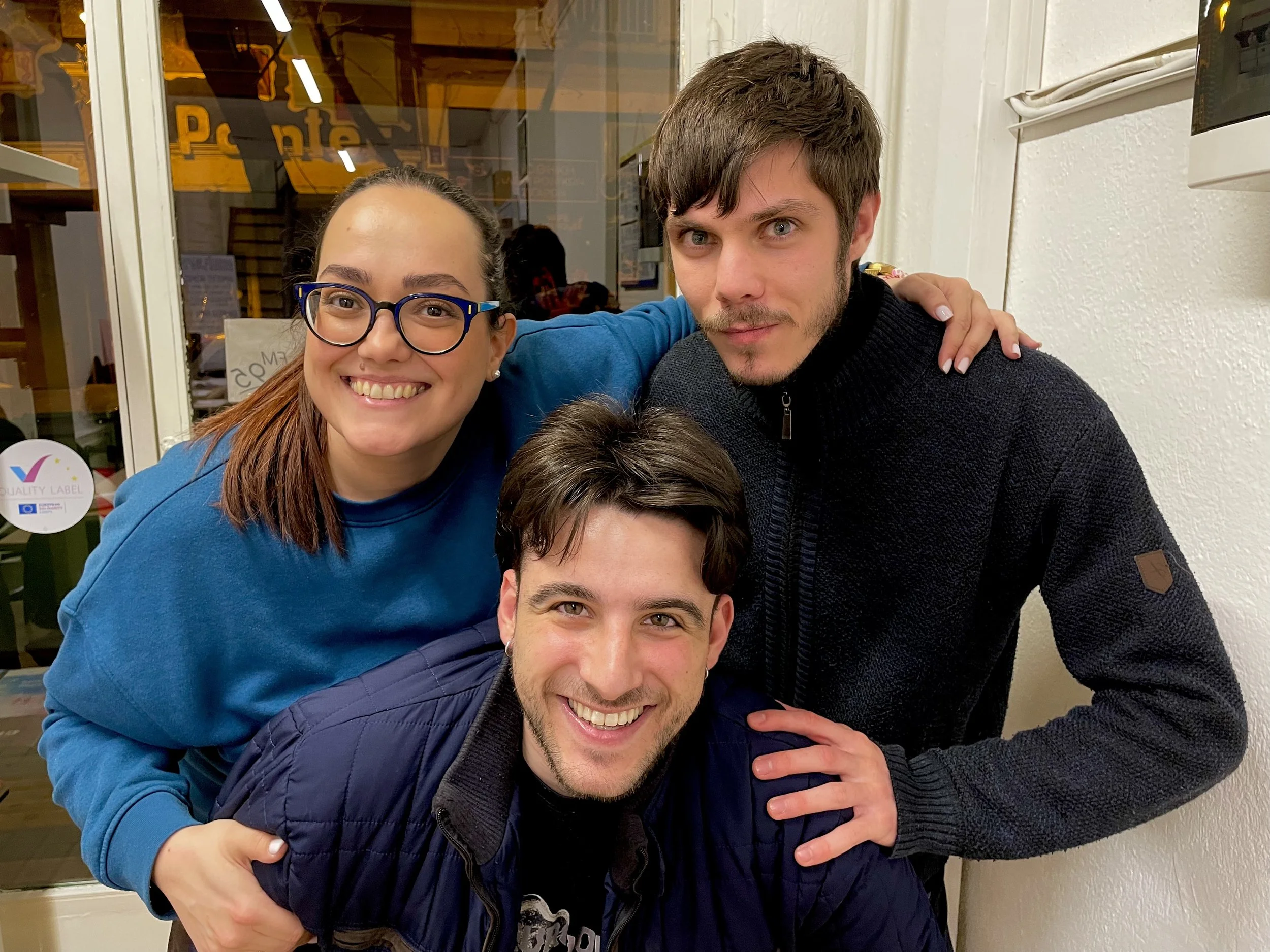
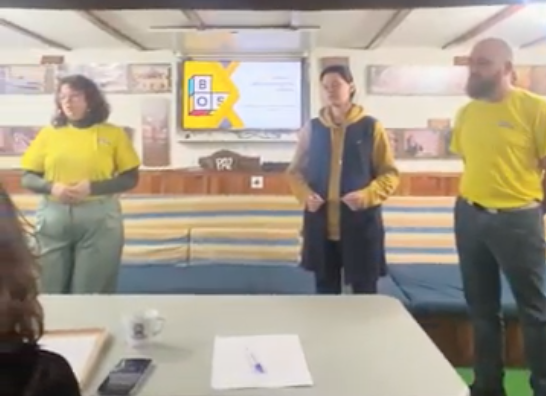


More than Design Thinking
Design Thinking gave the programme its structure, but the learning experience went much further.
BREAK.TAKE.MAKE. combined non-formal education, experiential learning, storytelling, reflection, active listening, creative expression, public speaking, co-creation and community-based learning.
Participants later identified a broad set of tools they wanted to continue using, including:
Design Thinking · Empathy Maps · Storytelling · Pitching & public speaking · Prototyping & testing · Active listening · Journaling & reflection · Icebreakers & energisers · Co-creation · 8 Ideas in 8 Minutes
One participant highlighted precisely how the experiential nature of the programme made the learning easier to transfer:
“Because it was non-formal education, the physical elements are much easier to remember and to apply, both on real work problems and in personal life.”
The balance between theory and practice was particularly well received: 94.7% of respondents positively rated the balance between theoretical and experiential learning, while 100% said the community-based and reflective elements enhanced their learning.
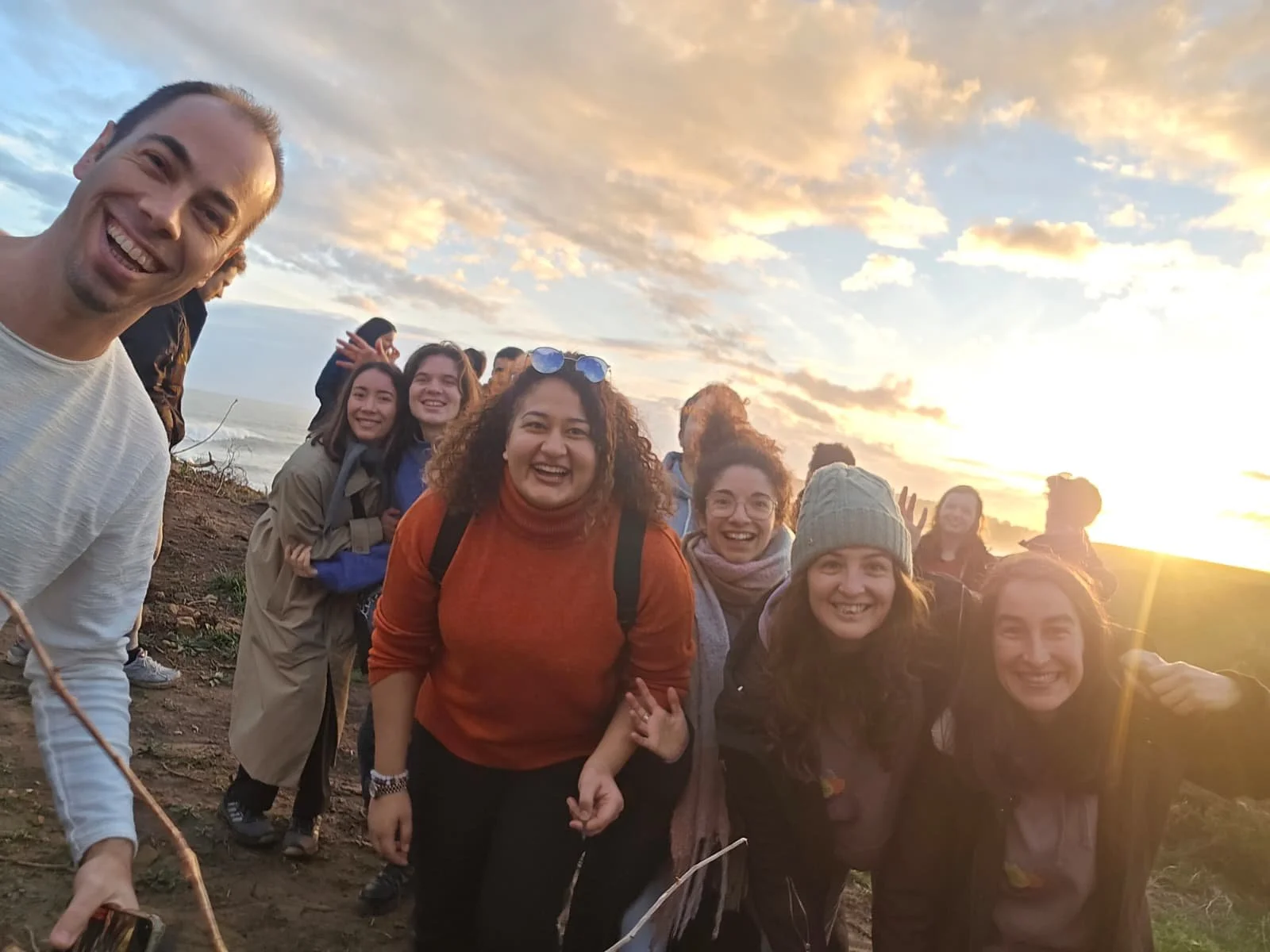
Learning through community
Twenty-four people from Bulgaria, France, Greece, the Netherlands, Poland, Romania, Serbia, Spain and Turkey did not simply learn next to one another.
They learned from one another.
Different professional backgrounds, cultural perspectives and ways of working became part of the educational process itself. Learning continued in workshops, but also over meals, during breaks, in reflection spaces and through the everyday experience of living together.
For one participant, the strength of that community became particularly visible when it was time to leave:
“The day we had to say goodbye, because the sense of belonging somewhere was so strong and the bonding between us was too deep to handle. That was my most meaningful moment.”
That experience was reflected across the group: 94.7% of respondents said they had built meaningful connections with other participants.

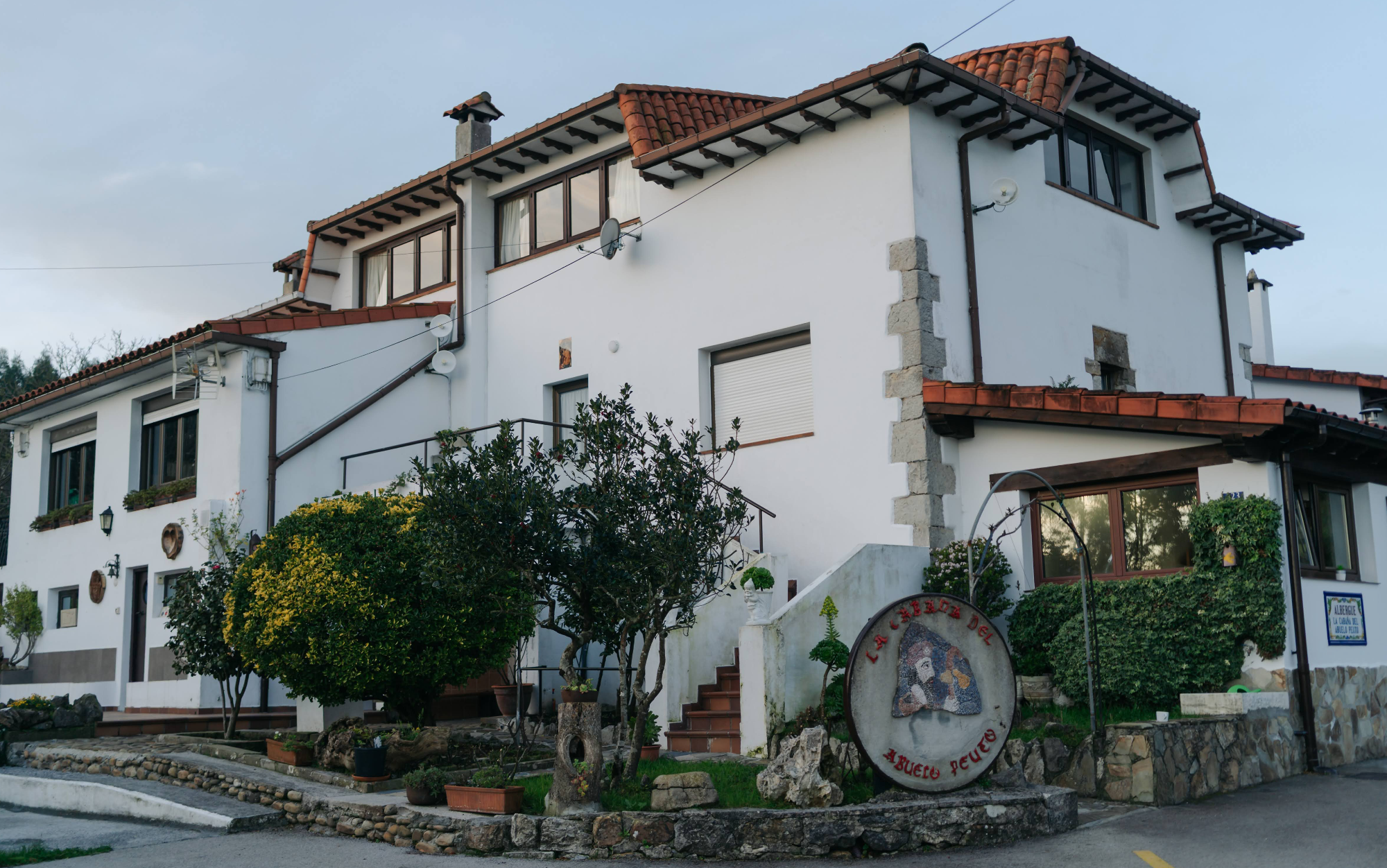
A place that became part of the learning
La Cabaña del Abuelo Peuto. Güemes, Cantabria
BREAK.TAKE.MAKE. took place at La Cabaña del Abuelo Peuto, in the rural village of Güemes.
Although this was not the venue originally foreseen in the application, it became deeply aligned with the spirit of the project.
The Cabaña grew from a family home into a socio-cultural space and later into a well-known pilgrim refuge on the Camino del Norte, with a philosophy centred on hospitality, volunteering, creativity, coexistence and solidarity.
That made it a particularly fitting setting for a project about community, initiative and positive impact.
Participants also recognised the role of the environment in the learning experience: 94.7% positively rated that the venue supported the goals of the training.
From ideas to reality
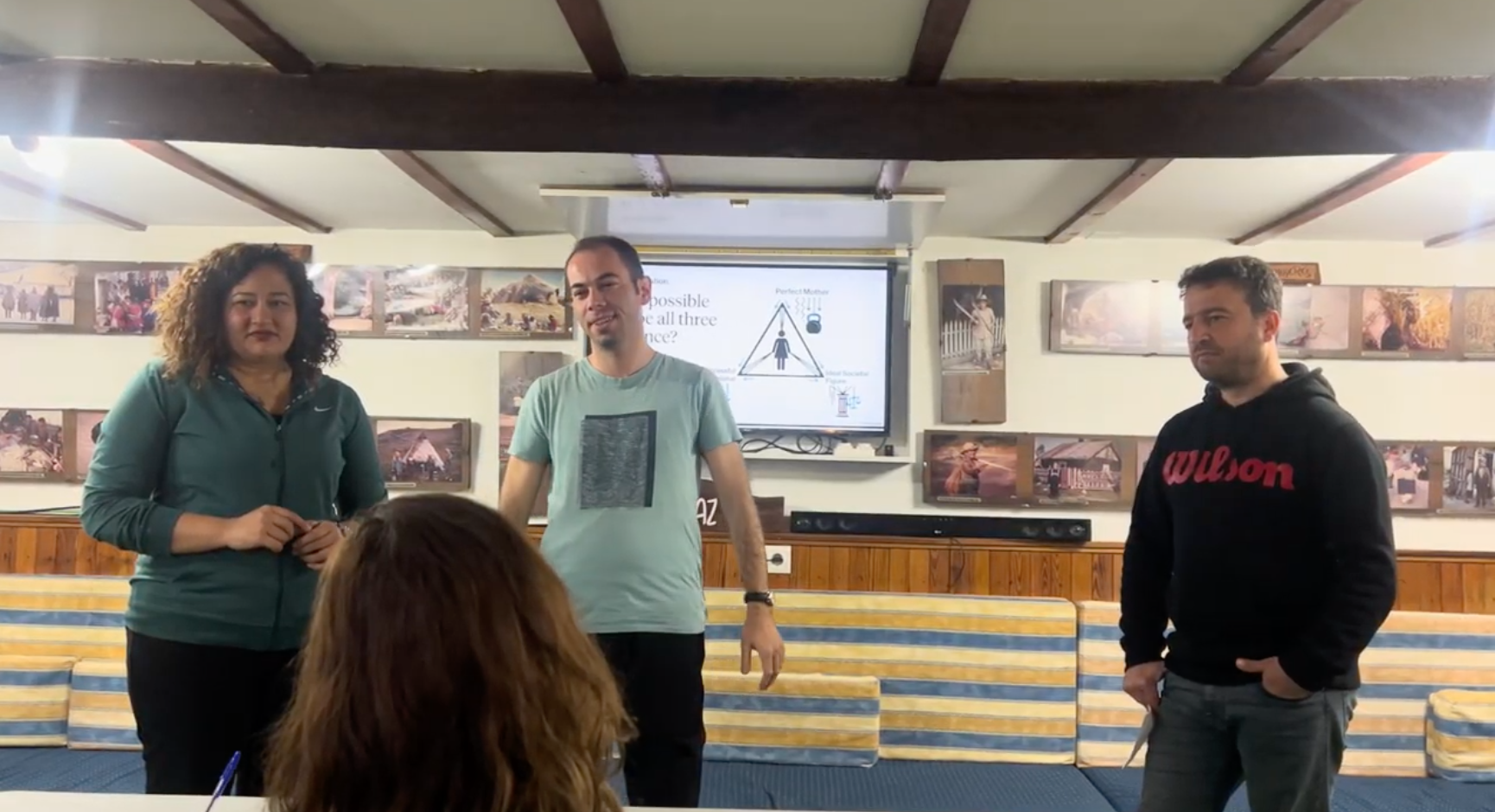
Towards the second half of the programme, participants moved progressively from understanding tools to taking ownership of them.
Storytelling, public speaking and Expert Talks helped connect ideas with communication and professional practice.
The process culminated in a practical pitch challenge, where participants presented developed ideas as if they were speaking to potential investors.
For one participant, this became the moment when the whole learning journey clicked:
“The most meaningful day for me was the last day of the program. We had to convince ‘investors’ to fund our project, and it felt very serious and real. Even though the program lasted only one week, that day showed me how to apply everything we had learned in a real situation.”
What changed?
Across the five main learning objectives, participants reported high levels of positive change, with agreement ranging from 84% to 100%.
The strongest results appeared in educational innovation and inclusion & social cohesion, while participants also reported substantial learning around empathy, employability skills and entrepreneurial mindset.
Beyond those objectives:
89.5%
said they would recommend the training to others.
94.7%
built meaningful connections with other participants.
73.7%
reported personal growth during the training.
The most consistent shift was not only about learning techniques, but about changing how participants approached problems: listening first, questioning assumptions and slowing down before jumping to solutions.
But perhaps more interesting than the numbers was what participants intended to do differently afterwards.
Some wanted to redesign educational programmes. Others planned follow-up workshops. Some wanted to bring the tools into their organisations and communities, while others recognised that the same methodology could help them rethink challenges in their own lives.
And in some cases, this transfer had already started:
“I've started applying Design Thinking in both my daily life and professional work. As part of sharing this knowledge, we organised a workshop within our organisation. Now, we are tackling our challenges using the framework from the training course.”
The methodology was therefore not experienced only as a professional tool:
“Design Thinking can be applied to everything, from work to life problems. Design Thinking is an iterative process, and can be repeated based on the outcome to make a solution even stronger.”
BTM through participants’ voices 🎥
Six months later: what stayed?
Six months after BREAK.TAKE.MAKE., we went back to the people who experienced it and asked them a simple question:
What stayed with you?
Rather than speaking for them, we invited participants to look back at the experience in their own words, sharing what they remembered, what they had taken into their personal or professional lives, and whether any of the ideas and tools explored during BTM had continued travelling with them.
This is BREAK.TAKE.MAKE., six months later, through the voices of the people who were there.
Watch it here!!!


Beyond Cantabria
BREAK.TAKE.MAKE. was designed so that the learning would continue after the mobility itself.
Participants and partner organisations were encouraged not only to share the project, but to adapt the learning and bring it into their own contexts.
And that is what happened.
Across the nine partner countries, the project's follow-up has so far included
25 documented publications across social media, organisational, school and university channels;
8 documented workshops;
around 120 people engaged through local activities;
and an estimated 24,100 in documented online reach.
But the part we value most is not simply how far information about BREAK.TAKE.MAKE. travelled.
It is how the methodology itself travelled.
The learning began travelling into organisations, educational institutions, workshops and professional contexts:
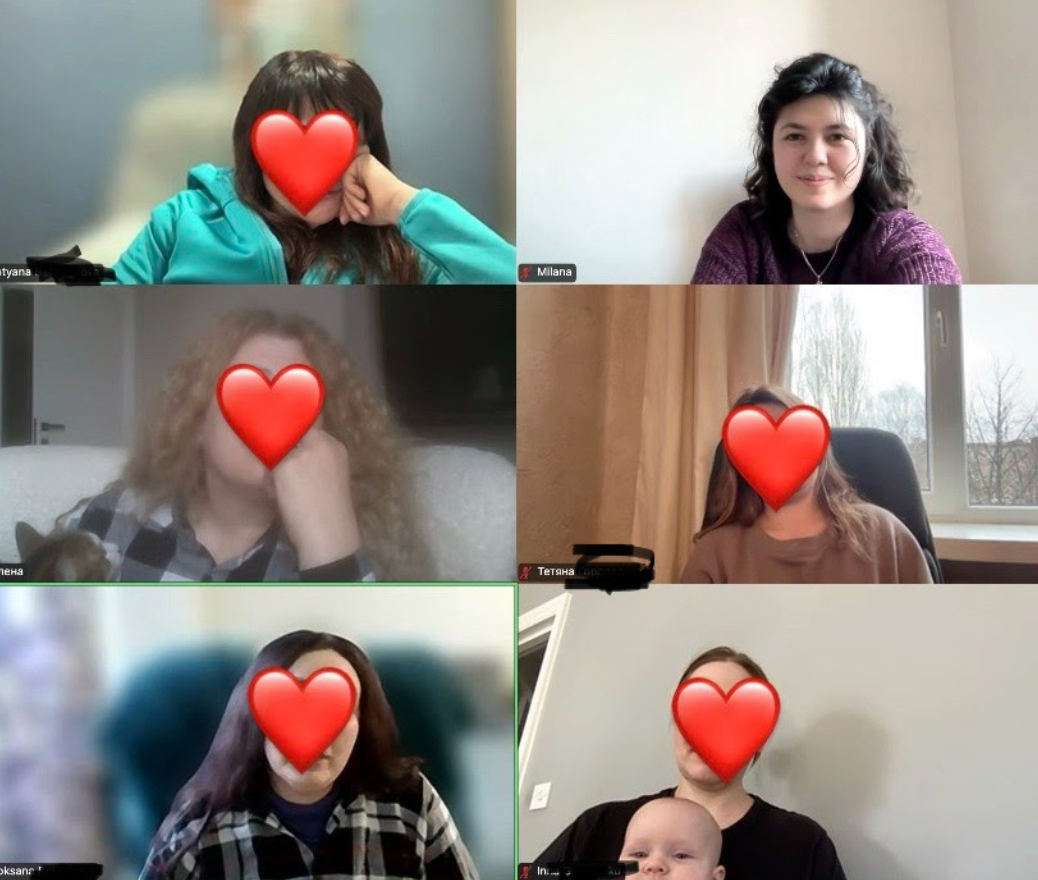
In Turkey, two follow-up workshops engaged around 42 people, taking Design Thinking into work with women, young volunteers, NGO mentors and university students, including an adaptation of the “Make” phase through the art of Ebru.
In Greece, a three-hour workshop with 15 young people, including refugees and participants from culturally diverse or marginalised backgrounds, explored marginalisation, identity, belonging and inclusion through non-formal education.
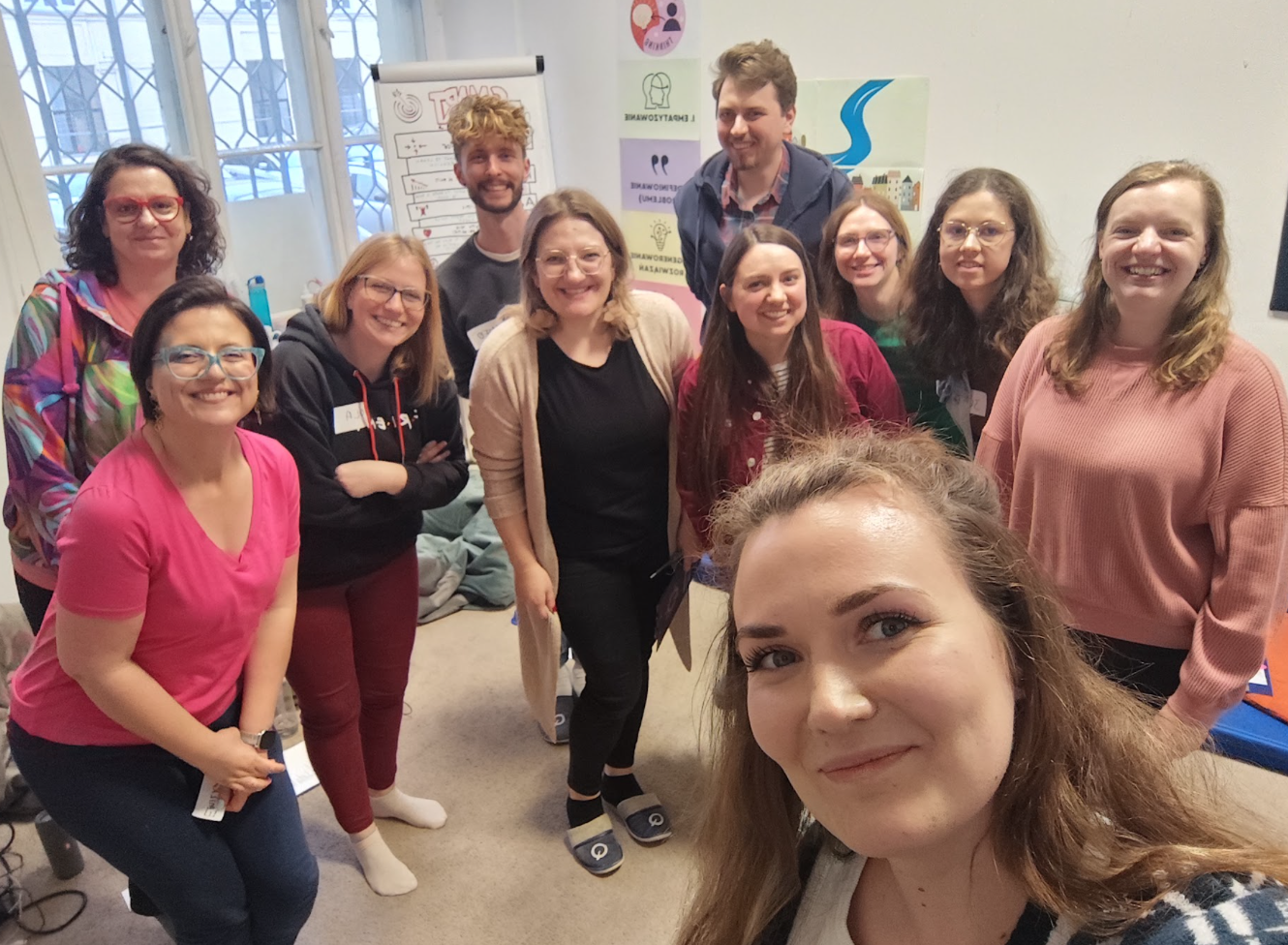
In Poland, an internal Design Thinking workshop with staff and interns generated four working prototypes addressing real challenges within QZmianom, moving dissemination from simply sharing the project to actually adopting the methodology.
In the Netherlands, participants transformed conversation across difference into a playful workshop format combining movement, imagination and Authentic Relating practices.
Different people took different pieces of the experience back home, an Empathy Map, a different way of approaching a problem, a workshop methodology, a question, a new collaboration, or simply the confidence to experiment.
The project ended in Cantabria.
The learning didn't
Let's pioneer the future together
Complete the quick form, and our team will respond with breakthrough ideas tailored to your goals. We're not just keeping up—we're leading the way, ready to disrupt limits alongside you.